

Summary & Insights





The most dangerous AI, according to a scathing critique, isn’t some hypothetical rogue system—it’s the one currently run by Sam Altman at OpenAI. What began as a noble non-profit mission to benefit humanity has, the argument goes, devolved into a relentless pursuit of growth at any cost, embracing government surveillance contracts, generating porn, and creating disturbing deepfakes of historical figures. This moral backslide is framed not as an accident but as a direct reflection of leadership that views human connection as just another monetizable feature, a “nihilistic weirdo getting rich off others’ loneliness.”
This critique gains its sharpest contrast through the story of Anthropic and its CEO, Dario Amodei. When pressured by the Department of Defense to remove safeguards prohibiting AI use in autonomous weapons and mass surveillance, Anthropic refused and faced government threats. This principled stand, framed as a defense of safety and the rule of law, created a powerful “laddering” effect—highlighting Anthropic’s ethical posture by illuminating OpenAI’s perceived complicity. The market reacted decisively: Anthropic’s valuation soared by an estimated $150 billion, while ChatGPT saw a massive spike in user uninstalls. The episode suggests that in a polarized climate, ethical fortitude can be a formidable commercial asset.
The conversation extends this moment into a broader call for consumer-led accountability, framing our wallets as weapons. A nascent movement, “Resist and Unsubscribe,” is narrowing its focus specifically to OpenAI, citing its symbolic vulnerability as a “fascist enabler” and its declining market share. The argument posits that targeted consumer action—cancelling a $20 monthly subscription—can have an outsized financial impact, stripping away both revenue and valuation to rewire corporate incentives. It concludes with a poignant reflection on values, contrasting the empty pursuit of ROI with the profound, non-transactional investment in human relationships, which AI and economic growth should ultimately serve.
Surprising Insights
- Principled resistance can be a massive financial boon: Anthropic’s refusal to cave to Department of Defense pressure over ethical safeguards led to a massive surge in its valuation and revenue, proving that taking a public ethical stand can be commercially advantageous.
- The “laddering” effect in branding: By directly contrasting itself with a competitor’s weakness (OpenAI’s perceived ethical failings), Anthropic achieved a “branding twofer,” making itself look better while making its rival look worse.
- Consumer action has a calculated multiplier effect: Canceling a $20/month ChatGPT subscription is framed as costing OpenAI $240 in annual revenue and $10,000 in valuation, meaning individual consumer choices can be strategically powerful.
- AI’s most immediate threat is framed as moral, not technological: The central alarm isn’t about a superintelligent AI takeover, but about existing AI being weaponized for surveillance, propaganda, and exploiting human loneliness under questionable leadership.
Practical Takeaways
- Evaluate AI providers on their ethical governance: When choosing an AI tool or company to support, research their published safety policies, stance on military applications, and leadership’s public statements on human welfare.
- Use your subscription as a vote: Canceling a service subscription is a direct, quantifiable way to signal disapproval of a company’s practices, with a demonstrated potential to impact its financial standing and force change.
- Support and amplify principled competitors: Favor and recommend companies that publicly commit to and uphold strong ethical guidelines, as market success for these firms validates the business case for responsible AI.
- Participate in focused collective action: If concerned about the direction of a dominant industry player, joining or supporting organized, targeted consumer movements (like a boycott) can be more effective than diffuse disapproval.
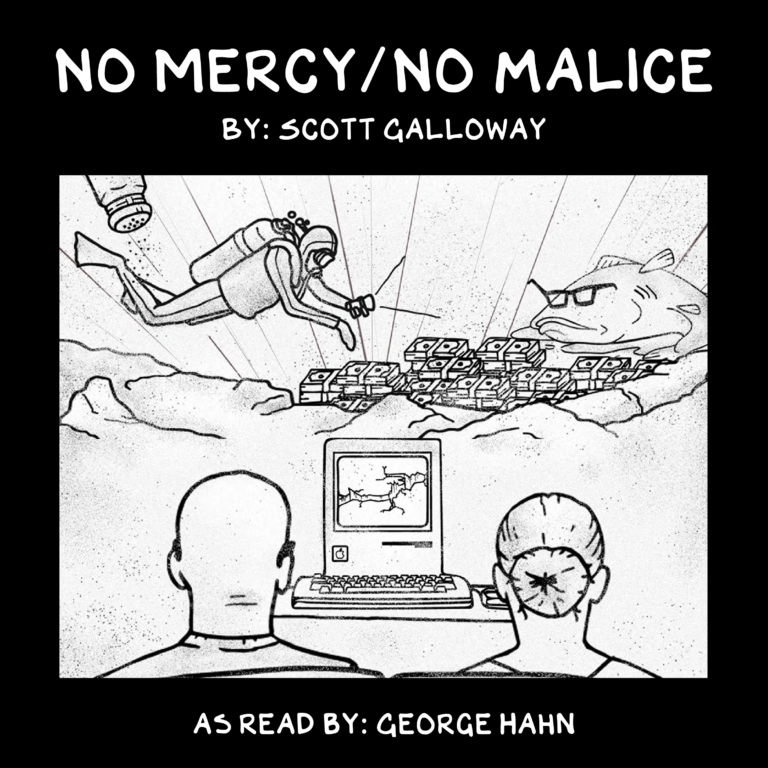
As read by George Hahn.
Techno-Narcissism
Learn more about your ad choices. Visit podcastchoices.com/adchoices
Leave a Reply
You must be logged in to post a comment.