
Planet Money
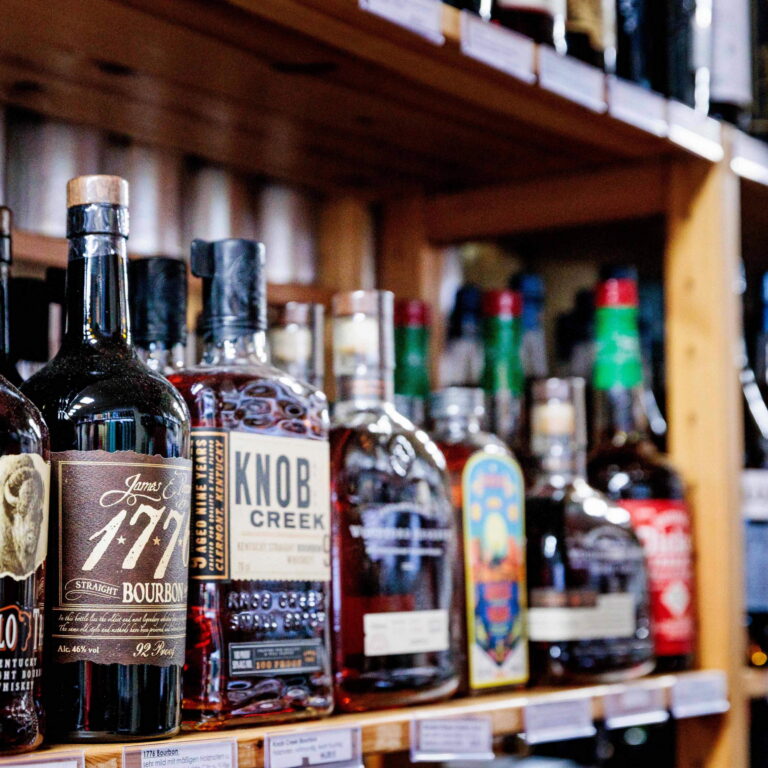
Half a million dollars worth of bourbon – gone. $102,000 worth of turkey. 3,000 pounds of seafood. $100 million worth of data center freight.
The nerve center that enables trucks to move all our food and goods – is under attack. And we don’t just mean Bonnie and Clyde style. Today’s cargo thieves have gotten way more sophisticated.
Today on the show: Where are our stolen goods ending up? And why it is so hard for the FBI to catch the cargo thieves.
Read:
Our book: Planet Money: A Guide to the Economic Forces That Shape Your Life
Our weekly longform Planet Money newsletter
Our weekly Indicator round-up newsletter
Follow:
Instagram
TikTok
YouTube
Facebook
Support public media with NPR+ and enjoy perks for over 25 podcasts like this one. This show’s perks include bonus episodes and sponsor-free listening. Learn more at plus.npr.org.
This episode was produced by Emma Peaslee with help from Vito Emanuel and Sam Yellowhorse Kesler. It was edited by Marianne McCune and fact-checked by Charlotte Isidore. It was engineered by Sophie MacArthur. Alex Goldmark is Planet Money’s executive producer.
Music: NPR Source Audio – “Bassline Motion,” “I Told You Once,” and “Gravity Calling”
See pcm.adswizz.com for information about our collection and use of personal data for sponsorship and to manage your podcast sponsorship preferences.
🛍️ Products & Resources Mentioned
- 📚 BookPlanet Money: A Guide to the Economic Forces That Shape Your Life — The show’s own book is recommended to listeners.View on Amazon →
- 🌐 ServiceNPR+ — Listeners are encouraged to support public media with NPR+ for perks like bonus episodes and sponsor-free listening.Visit Official Site →
-
Two indicators for lowering the rent
One specific type of affordable housing used to be popular in American cities, kept rents low, then nearly vanished. Is it time to reconsider boarding houses and single room occupancy units? If they lowered rents…
-
Why is there a supplement craze if they don’t even work?
One reason the $70 billion supplement industry is set to double in the next seven years? Lax regulation. On today’s show, we tell the story of a century-long battle between the U.S. government and ……
-
There’s no business like dough business
Have you ever walked around a street, mall, or airport and noticed two or three of the same franchise restaurant within walking distance? Why might one Starbucks or McDonald’s or Wetzel’s Pretzels sometimes be built…
-
The sneaky way companies get new chemicals into our food
99% of chemicals in our food right now were added without FDA approval. Many were added in secret, through a sneaky loophole built into the 1958 Food Additives Amendment. It was supposed to require FDA…
-
The leaked tapes that show how the rich avoid taxes
Tax avoidance — that is, legally reducing your tax bill — is as American as apple pie. But the line between tax avoidance and tax evasion is often a grey one. On today’s show, a…
-
The giant factory town that might be a giant mistake
How does a poor country become a rich country? There’s a simple blueprint — or at least, that’s what many economists used to believe. But over the years, a lot of rapidly developing economies have…
-
Vacation and why Americans take so little
Do you work more for more money? Or work less for more time? For some, this is the ultimate economic choice. Every single worker in the European Union is guaranteed four weeks of paid vacation.…
-
Jerome Powell and the Future of Fed Independence
If you have a credit card, hope to buy a house, or just want stable grocery prices – let’s talk about the future of Fed independence! It’s impossibly important for the Federal Reserve to steer…
-
The secret meeting that launched OPEC
Recently, a listener wrote in with a question about OPEC and oil prices. She was prepping for a camping trip… thinking about how much it costs to fill up her diesel-guzzling camper van at the…
-
Diary of a WNBA negotiator
Today the WNBA season tips off, but Dallas Wings veteran forward Alysha Clark has already won a high-stakes competition. She – and a Nobel Prize winning economist – were on the team that negotiated a…