
Summary & Insights


Can you really spot a psychopath in just five seconds? According to research discussed by Professor Leanne Tenbrink, the answer is yes. While pop culture paints these individuals as obvious movie villains, real-world “dark personalities” often hide behind a “mask of sanity,” using superficial charm and strategic behaviors to blend in. The key isn’t looking for a “dangerous” appearance, but rather noticing subtle discrepancies—like a “Duchenne smile” (a genuine-looking smile that reaches the eyes) paired with hostile language, or an abundance of hand gestures used to manipulate a listener’s perception.
The conversation delves into the “Dark Tetrad”—psychopathy, Machiavellianism, narcissism, and sadism—explaining that these traits exist on a continuum. Most of us possess these traits to some degree, but at the extreme end, they manifest as a lack of empathy, impulsivity, and a desire for dominance. Interestingly, these traits aren’t always a ticket to the top; while narcissists may appear confident and competent in first impressions, they often fail as long-term leaders because they bully subordinates and destroy team cohesion.
Detecting deception requires moving past common myths, such as the idea that liars avoid eye contact. In reality, sophisticated liars often overcompensate with intense eye contact to seem truthful. The most reliable red flag is “cognitive load”: liars typically provide fewer verifiable details and struggle when asked open-ended questions or unexpected follow-ups. Because these personalities are often resistant to traditional empathy-based appeals or punishment, managing them requires a strategic shift toward clear boundaries, reward-based motivation (the “carrot”), and a refusal to grant them unchecked power over others.
Surprising Insights
- The Eye Contact Myth: Contrary to popular belief, there is no research suggesting that avoiding eye contact is a reliable cue for lying; in fact, many liars maintain intense eye contact to manipulate the observer.
- The Success Paradox: High levels of psychopathy are actually associated with less influence in government and lower earnings for hedge fund managers compared to those with lower scores.
- The “Five Second” Window: Naive observers watching just five seconds of an interaction can often rate a person’s callousness and manipulativeness with accuracy similar to trained clinical psychologists.
- Pro-Social Lying: Even “white lies” told to spare others’ feelings can create an unconscious social distance, making the other person feel less connected to the liar.
Practical Takeaways
- Ask Open-Ended Questions: To spot a lie, avoid “yes/no” questions. Instead, ask “Tell me more about that.” Truth-tellers can provide effortless detail, while liars face a high cognitive load and will remain vague.
- Focus on Verifiability: Instead of analyzing body language or fidgeting, ask yourself: “How verifiable is this statement?” Liars provide fewer details that can be independently checked.
- Negotiate via Text: When dealing with a domineering or “dark” personality, move the negotiation to email or text. This strips them of their face-to-face charisma and provides a written record that prevents gaslighting.
- Use “Common Identity” to Soften Blows: If you must give negative feedback to a narcissist, start by emphasizing something you have in common (e.g., a shared hobby or alma mater) to reduce their perceived ego threat.
- Reward Positive Behavior: Since those with psychopathic traits are more sensitive to rewards than punishments, use specific incentives (status, bonuses, titles) to reinforce pro-social behavior.
🛍️ Products & Resources Mentioned
- 📚 BookThe Prince by Niccolo Machiavelli — Mentioned as a how-to manual for gaining and wielding power effectively, serving as the basis for the personality trait of Machiavellianism. View on Amazon →
- ⚡ DeviceWhisperflow AI Note Taker — A productivity tool that captures meeting context, labels speakers, and tracks action items. View on Amazon →
- 🛠️ GearThe 1% Diary — A goal-setting framework and diary designed to help users break big goals into tiny, manageable steps. View on Amazon →
- 📚 BookPoisonous People: How to Resist Them and Improve Your Life by Dr. Leanne Ten Brinke — A research-based book about identifying and mitigating the damage caused by people with psychopathic or callous traits. View on Amazon →
Liệu bạn có thực sự nhận diện được một kẻ thái nhân cách chỉ trong năm giây? Theo nghiên cứu được thảo luận bởi Giáo sư Leanne Tenbrink, câu trả lời là có. Trong khi văn hóa đại chúng thường khắc họa những cá nhân này như những tên phản diện lộ liễu trong phim, thì những “nhân cách tối” (dark personalities) ngoài đời thực thường ẩn mình sau một “chiếc mặt nạ tỉnh táo”, sử dụng sức hút hời hợt và các hành vi chiến lược để hòa nhập. Chìa khóa không nằm ở việc tìm kiếm một vẻ ngoài “nguy hiểm”, mà là nhận ra những mâu thuẫn tinh vi—chẳng hạn như một “nụ cười Duchenne” (nụ cười trông có vẻ chân thật và chạm đến ánh mắt) nhưng lại đi kèm với ngôn từ thù địch, hoặc việc sử dụng quá nhiều cử chỉ tay để thao túng nhận thức của người nghe.
Cuộc thảo luận đi sâu vào “Bộ tứ tối” (Dark Tetrad)—bao gồm thái nhân cách (psychopathy), chủ nghĩa Machiavelli (Machiavellianism), ái kỷ (narcissism) và bạo ngược (sadism)—giải thích rằng những đặc điểm này tồn tại trên một dải phổ liên tục. Hầu hết chúng ta đều sở hữu những đặc điểm này ở một mức độ nào đó, nhưng ở mức cực đoan, chúng biểu hiện thành sự thiếu đồng cảm, tính xung động và khát khao thống trị. Điều thú vị là những đặc điểm này không phải lúc nào cũng là tấm vé dẫn đến thành công; dù những người ái kỷ có vẻ tự tin và năng lực trong ấn tượng đầu tiên, họ thường thất bại trong vai trò lãnh đạo dài hạn vì hay bắt nạt cấp dưới và phá hủy sự gắn kết của đội ngũ.
Việc phát hiện sự dối trá đòi hỏi phải vượt qua những lầm tưởng phổ biến, chẳng hạn như quan niệm cho rằng kẻ nói dối thường tránh tiếp xúc bằng mắt. Trong thực tế, những kẻ nói dối tinh vi thường bù đắp quá mức bằng cách nhìn chằm chằm vào đối phương để tỏ ra thành thật. Dấu hiệu cảnh báo đáng tin cậy nhất là “tải nhận thức” (cognitive load): những kẻ nói dối thường cung cấp ít chi tiết có thể xác minh hơn và gặp khó khăn khi bị hỏi những câu hỏi mở hoặc những câu hỏi tiếp nối bất ngờ. Vì những nhân cách này thường kháng cự lại những lời kêu gọi dựa trên sự đồng cảm truyền thống hoặc sự trừng phạt, nên việc quản lý họ đòi hỏi một sự chuyển dịch chiến lược sang việc thiết lập ranh giới rõ ràng, tạo động lực dựa trên phần thưởng (chiếc “cà rốt”) và từ chối trao cho họ quyền lực tuyệt đối đối với người khác.
Những góc nhìn gây ngạc nhiên
- Lầm tưởng về tiếp xúc bằng mắt: Trái với niềm tin phổ biến, không có nghiên cứu nào cho thấy việc tránh tiếp xúc bằng mắt là một dấu hiệu đáng tin cậy của việc nói dối; thực tế, nhiều kẻ nói dối duy trì tiếp xúc mắt mãnh liệt để thao túng người quan sát.
- Nghịch lý của sự thành công: Mức độ thái nhân cách cao thực chất lại liên quan đến việc ít có sức ảnh hưởng hơn trong chính phủ và thu nhập thấp hơn đối với các nhà quản lý quỹ đầu cơ so với những người có điểm số thấp hơn.
- Cửa sổ “Năm giây”: Những người quan sát bình thường chỉ cần xem năm giây tương tác thường có thể đánh giá mức độ nhẫn tâm và khả năng thao túng của một người với độ chính xác tương đương với các nhà tâm lý học lâm sàng được đào tạo.
- Nói dối vì mục đích xã hội: Ngay cả những “lời nói dối trắng” (white lies) nhằm tránh làm tổn thương cảm xúc của người khác cũng có thể tạo ra một khoảng cách xã hội vô thức, khiến đối phương cảm thấy ít gắn kết hơn với người nói dối.
Bài học thực tiễn
- Đặt câu hỏi mở: Để phát hiện lời nói dối, hãy tránh các câu hỏi “có/không”. Thay vào đó, hãy hỏi “Hãy kể cho tôi nghe thêm về điều đó.” Người nói thật có thể cung cấp chi tiết một cách dễ dàng, trong khi kẻ nói dối phải chịu tải nhận thức cao và sẽ trả lời mơ hồ.
- Tập trung vào khả năng xác minh: Thay vì phân tích ngôn ngữ cơ thể hay những cử chỉ bồn chồn, hãy tự hỏi: “Tuyên bố này có thể xác minh được đến mức nào?” Kẻ nói dối cung cấp ít chi tiết có thể kiểm chứng độc lập hơn.
- Đàm phán qua tin nhắn: Khi đối phó với một nhân cách áp đặt hoặc “tối”, hãy chuyển cuộc đàm phán sang email hoặc tin nhắn. Điều này tước đi sức hút trực tiếp của họ và tạo ra một bản ghi chép bằng văn bản nhằm ngăn chặn hành vi thao túng tâm lý (gaslighting).
- Sử dụng “Danh tính chung” để giảm nhẹ xung đột: Nếu bạn phải đưa ra phản hồi tiêu cực cho một người ái kỷ, hãy bắt đầu bằng cách nhấn mạnh điều gì đó mà hai bạn có chung (ví dụ: một sở thích chung hoặc cùng trường cũ) để giảm bớt cảm giác bị đe dọa cái tôi của họ.
- Khen thưởng hành vi tích cực: Vì những người có đặc điểm thái nhân cách nhạy cảm với phần thưởng hơn là hình phạt, hãy sử dụng các ưu đãi cụ thể (địa vị, tiền thưởng, chức danh) để củng cố các hành vi có lợi cho xã hội.
你真的能在短短五秒鐘內辨識出反社會人格者(psychopath)嗎?根據 Leanne Tenbrink 教授討論的研究,答案是肯定的。雖然流行文化將這類人描繪成顯而易見的電影反派,但現實世界中的「黑暗人格」通常隱藏在「理智的面具」之下,利用表面的魅力和策略性行為來融入人群。關鍵不在於尋找「危險」的外表,而是在於注意到細微的矛盾之處——例如,一個觸及眼角的「杜先笑」(Duchenne smile,看似真誠的微笑)卻配以充滿敵意的語言,或是使用大量的手勢來操縱聽者的感知。
這場對話深入探討了「黑暗四元組」(Dark Tetrad)——反社會人格、馬基雅維利主義、自戀和虐待狂——並解釋這些特質存在於一個連續光譜中。我們大多數人都具有一定程度的這些特質,但在極端情況下,它們會表現為缺乏同理心、衝動以及對支配權的渴望。有趣的是,這些特質並不總是成功的敲門磚;雖然自戀者在第一印象中可能顯得自信且能幹,但他們往往無法成為長期的領導者,因為他們會欺凌下屬並破壞團隊凝聚力。
偵測謊言需要打破一些常見的迷思,例如「說謊者會避開眼神接觸」的觀念。實際上,老練的說謊者往往會透過強烈的眼神接觸來過度補償,以顯得自己誠實。最可靠的警訊是「認知負荷」(cognitive load):說謊者通常提供的可驗證細節較少,且在面對開放式問題或出乎意料的追問時會顯得吃力。由於這類人格通常對傳統的同理心訴求或懲罰具有抗性,管理他們需要將策略轉向設定明確的界限、採取獎勵導向的激勵措施(即「胡蘿蔔」),以及拒絕給予他們不受限制地控制他人的權力。
令人驚訝的洞察
- 眼神接觸的迷思:與大眾認知相反,沒有研究表明避開眼神接觸是辨識謊言的可靠線索;事實上,許多說謊者會維持強烈的眼神接觸來操縱觀察者。
- 成功的悖論:研究發現,高程度的反社會人格特質在政府中的影響力實際上較低,而對沖基金經理人而言,高分者的收入也低於低分者。
- 「五秒鐘」之窗:天真的觀察者僅僅觀察五秒鐘的互動,對一個人冷酷程度和操縱傾向的評估準確度,往往與受過訓練的臨床心理學家相當。
- 親社會謊言:即使是為了顧及他人感受而說的「善意謊言」,也可能在潛意識中創造社交距離,使對方感覺與說謊者的連結感降低。
實用建議
- 詢問開放式問題:若要識破謊言,請避免「是/否」問題。相反地,請詢問「能請你詳細說明一下嗎?」。實話實說的人能輕鬆提供細節,而說謊者則面臨高認知負荷,回答會含糊其辭。
- 關注可驗證性:與其分析肢體語言或坐立不安的動作,不如問自己:「這番話的可驗證性有多高?」說謊者提供的可獨立核實的細節較少。
- 透過文字協商:在與霸道或具有「黑暗人格」的人打交道時,將協商轉移到電子郵件或文字訊息中。這能剝奪他們面對面時的個人魅力,並留下書面記錄以防止被「煤氣燈效應」(gaslighting)操縱。
- 利用「共同身份」緩衝衝擊:如果你必須給予自戀者負面反饋,請先強調你們的共同點(例如共同的愛好或母校),以降低他們感知到的自我威脅。
- 獎勵正面行為:由於具有反社會人格特質的人對獎勵比對懲罰更敏感,請使用具體的激勵措施(如地位、獎金、職稱)來強化其親社會行為。
Peut-on vraiment repérer un psychopathe en seulement cinq secondes ? Selon les recherches présentées par la professeure Leanne Tenbrink, la réponse est oui. Alors que la culture populaire dépeint ces individus comme des méchants de cinéma évidents, les « personnalités sombres » du monde réel se cachent souvent derrière un « masque de sanité », utilisant un charme superficiel et des comportements stratégiques pour se fondre dans la masse. La clé n’est pas de chercher une apparence « dangereuse », mais plutôt de remarquer des divergences subtiles — comme un « sourire de Duchenne » (un sourire qui semble sincère et atteint les yeux) associé à un langage hostile, ou une abondance de gestes manuels utilisés pour manipuler la perception de l’interlocuteur.
La conversation approfondit la « Tétrade Noire » — la psychopathie, le machiavélisme, le narcissisme et le sadisme — en expliquant que ces traits existent sur un continuum. La plupart d’entre nous possèdent ces traits à un certain degré, mais à l’extrémité du spectre, ils se manifestent par un manque d’empathie, de l’impulsivité et un désir de domination. Curieusement, ces traits ne sont pas toujours un ticket pour le sommet ; si les narcissiques peuvent paraître confiants et compétents lors d’une première impression, ils échouent souvent en tant que leaders à long terme car ils intimident leurs subordonnés et détruisent la cohésion d’équipe.
Détecter la tromperie nécessite de dépasser les mythes courants, comme l’idée que les menteurs évitent le contact visuel. En réalité, les menteurs sophistiqués surcompensent souvent par un contact visuel intense pour paraître sincères. Le signal d’alarme le plus fiable est la « charge cognitive » : les menteurs fournissent généralement moins de détails vérifiables et sont en difficulté face à des questions ouvertes ou des relances inattendues. Comme ces personnalités sont souvent résistantes aux appels traditionnels basés sur l’empathie ou aux punitions, leur gestion nécessite un pivot stratégique vers des limites claires, une motivation basée sur la récompense (la « carotte ») et un refus de leur accorder un pouvoir incontrôlé sur autrui.
Perspectives surprenantes
- Le mythe du contact visuel : Contrairement aux idées reçues, aucune recherche ne suggère que l’évitement du regard soit un indicateur fiable du mensonge ; en fait, beaucoup de menteurs maintiennent un contact visuel intense pour manipuler l’observateur.
- Le paradoxe du succès : Des niveaux élevés de psychopathie sont en réalité associés à moins d’influence au sein du gouvernement et à des revenus inférieurs pour les gestionnaires de fonds spéculatifs par rapport à ceux ayant des scores plus bas.
- La fenêtre des « cinq secondes » : Des observateurs naïfs regardant seulement cinq secondes d’une interaction peuvent souvent évaluer l’insensibilité et la capacité de manipulation d’une personne avec une précision similaire à celle de psychologues cliniciens formés.
- Le mensonge pro-social : Même les « petits mensonges » dits pour ménager les sentiments d’autrui peuvent créer une distance sociale inconsciente, amenant l’autre personne à se sentir moins connectée au menteur.
Conseils pratiques
- Posez des questions ouvertes : Pour repérer un mensonge, évitez les questions par « oui » ou par « non ». Demandez plutôt : « Parlez-moi davantage de cela ». Ceux qui disent la vérité fournissent des détails sans effort, tandis que les menteurs font face à une charge cognitive élevée et restent vagues.
- Concentrez-vous sur la vérifiabilité : Au lieu d’analyser le langage corporel ou l’agitation, demandez-vous : « Dans quelle mesure cette affirmation est-elle vérifiable ? » Les menteurs fournissent moins de détails pouvant être vérifiés indépendamment.
- Négociez par écrit : Lorsque vous traitez avec une personnalité dominante ou « sombre », déplacez la négociation vers l’e-mail ou le SMS. Cela les prive de leur charisme face-à-face et fournit une trace écrite qui empêche le gaslighting (manipulation mentale).
- Utilisez une « identité commune » pour atténuer les coups : Si vous devez donner un feedback négatif à un narcissique, commencez par souligner un point commun (ex: un passe-temps partagé ou une ancienne école) afin de réduire la menace perçue pour son ego.
- Récompensez les comportements positifs : Puisque les personnes ayant des traits psychopathiques sont plus sensibles aux récompenses qu’aux punitions, utilisez des incitations spécifiques (statut, bonus, titres) pour renforcer les comportements pro-sociaux.
Kann man einen Psychopathen wirklich in nur fünf Sekunden erkennen? Laut Forschungsergebnissen, die Professorin Leanne Tenbrink erörtert, lautet die Antwort: Ja. Während die Popkultur diese Individuen oft als offensichtliche Filmschurken darstellt, verstecken sich „dunkle Persönlichkeiten“ in der Realität oft hinter einer „Maske der Normalität“ und nutzen oberflächlichen Charme sowie strategische Verhaltensweisen, um sich anzupassen. Der Schlüssel liegt nicht darin, nach einem „gefährlichen“ Aussehen zu suchen, sondern subtile Diskrepanzen wahrzunehmen – wie etwa ein „Duchenne-Lächeln“ (ein echt wirkendes Lächeln, das die Augen erreicht), das mit einer feindseligen Sprache einhergeht, oder ein Übermaß an Handgesten, um die Wahrnehmung des Zuhörers zu manipulieren.
Das Gespräch vertieft sich in die „Dunkle Tetrade“ – Psychopathie, Machiavellismus, Narzissmus und Sadismus – und erklärt, dass diese Merkmale auf einem Kontinuum existieren. Die meisten von uns besitzen diese Eigenschaften in einem gewissen Maße, doch am extremen Ende manifestieren sie sich als Mangel an Empathie, Impulsivität und ein Verlangen nach Dominanz. Interessanterweise sind diese Merkmale nicht immer ein Ticket nach oben; während Narzissten bei einem ersten Eindruck selbstbewusst und kompetent wirken mögen, scheitern sie oft als langfristige Führungskräfte, da sie Untergebene schikanieren und den Teamzusammenhalt zerstören.
Um Täuschungen zu erkennen, muss man gängige Mythen überwinden, wie etwa die Vorstellung, dass Lügner den Blickkontakt vermeiden. In Wirklichkeit kompensieren versierte Lügner dies oft durch intensiven Blickkontakt, um glaubwürdig zu erscheinen. Das zuverlässigste Warnsignal ist die „kognitive Belastung“: Lügner liefern typischerweise weniger überprüfbare Details und geraten ins Straucheln, wenn sie mit offenen Fragen oder unerwarteten Nachfragen konfrontiert werden. Da diese Persönlichkeiten oft resistent gegenüber traditionellen, auf Empathie basierenden Appellen oder Bestrafungen sind, erfordert der Umgang mit ihnen eine strategische Umstellung hin zu klaren Grenzen, belohnungsbasierter Motivation (die „Zuckerbrot“-Methode) und der Verweigerung, ihnen ungeprüfte Macht über andere zu geben.
Überraschende Erkenntnisse
- Der Mythos des Blickkontakts: Entgegen der landläufigen Meinung gibt es keine Forschungsergebnisse, die darauf hindeuten, dass das Vermeiden von Blickkontakt ein zuverlässiger Hinweis auf Lügen ist; tatsächlich halten viele Lügner intensiven Blickkontakt, um den Beobachter zu manipulieren.
- Das Erfolgs-Paradoxon: Ein hohes Maß an Psychopathie ist tatsächlich mit weniger Einfluss in der Regierung und geringeren Verdiensten bei Hedgefonds-Managern verbunden als bei Personen mit niedrigeren Werten.
- Das „Fünf-Sekunden-Fenster“: Naive Beobachter, die nur fünf Sekunden einer Interaktion beiwohnen, können die Gefühlskälte und Manipulationsfähigkeit einer Person oft mit einer Genauigkeit einschätzen, die der von ausgebildeten klinischen Psychologen ähnelt.
- Prosoziales Lügen: Selbst „Notlügen“, die erzählt werden, um die Gefühle anderer zu schonen, können eine unbewusste soziale Distanz schaffen, wodurch sich das Gegenüber weniger mit dem Lügner verbunden fühlt.
Praktische Tipps
- Stellen Sie offene Fragen: Um eine Lüge zu entlarven, vermeiden Sie „Ja/Nein“-Fragen. Fragen Sie stattdessen: „Erzählen Sie mir mehr darüber.“ Wahrheitssagende können mühelos Details liefern, während Lügner unter einer hohen kognitiven Belastung stehen und vage bleiben.
- Fokus auf Überprüfbarkeit: Anstatt Körpersprache oder Zappeln zu analysieren, fragen Sie sich: „Wie überprüfbar ist diese Aussage?“ Lügner liefern weniger Details, die unabhängig verifiziert werden können.
- Verhandeln Sie schriftlich: Wenn Sie es mit einer dominanten oder „dunklen“ Persönlichkeit zu tun haben, verlegen Sie die Verhandlung auf E-Mail oder Textnachrichten. Dies entzieht ihnen ihr persönliches Charisma und schafft eine schriftliche Dokumentation, die Gaslighting verhindert.
- „Gemeinsame Identität“ nutzen, um Kritik zu mildern: Wenn Sie einem Narzissten negatives Feedback geben müssen, beginnen Sie damit, etwas hervorzuheben, das Sie gemeinsam haben (z. B. ein gemeinsames Hobby oder die gleiche Universität), um die wahrgenommene Bedrohung für sein Ego zu verringern.
- Positives Verhalten belohnen: Da Personen mit psychopathischen Zügen empfänglicher für Belohnungen als für Bestrafungen sind, sollten spezifische Anreize (Status, Boni, Titel) genutzt werden, um prosoziales Verhalten zu verstärken.
Are you dealing with a master manipulator? Learn how to identify the hidden red flags of liars, psychopaths and narcissists before they cause lasting damage.
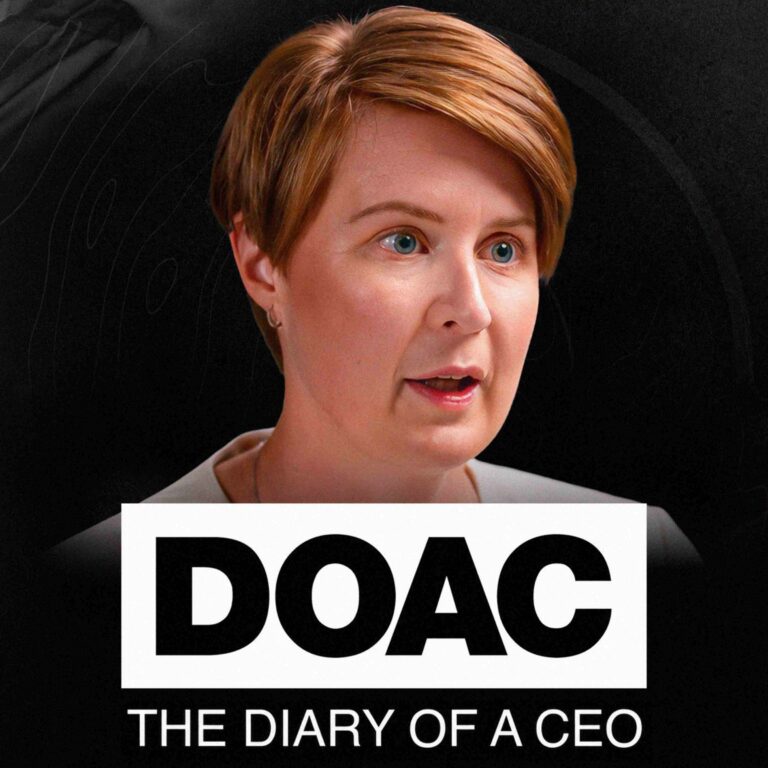
Dr. Leanne ten Brinke, a renowned psychologist and director of the Truth and Trust Lab at the University of British Columbia, breaks down the science of deception and toxic behavior. Drawing from her extensive peer-reviewed research and her eye-opening book, Poisonous People, she shares practical, evidence-based strategies to help you recognize dark personality traits and protect your mental well being.
In this episode, she explains:
■ The Warning Signs: How to spot the early behavioral red flags of the “Dark Tetrad” (psychopathy, narcissism, Machiavellianism, and sadism) before you get hurt.
■ The Manipulation Playbook: The exact psychological tactics toxic individuals use to control and deceive others, including what gaslighting actually means.
■ The Lie-Detector Myth: Why relying on eye contact, fidgeting, and body language is actually a terrible way to catch a liar.
■ The Two Faces of Narcissism: How to identify the different types (including why one completely crumbles at the slightest criticism), and the devastating toll of working for a psychopathic boss.
■ Defense Strategies: Proven techniques to outsmart dangerous personalities, set ironclad boundaries, and dramatically improve your life.
Chapters
- 00:00:00 Intro
- 00:02:21 Why This Research Into Psychopathy Matters
- 00:02:58 Why Psychopathy Is Getting More Attention
- 00:04:05 Can You Spot a Psychopath in 5 Seconds?
- 00:05:30 How Facial Expressions Reveal What People Really Feel
- 00:08:56 Can You Predict If Someone Is Guilty?
- 00:09:59 Three Signs Someone Might Be Lying
- 00:13:46 Can Anyone Learn to Spot a Liar?
- 00:20:29 Why the Eye Contact Myth Gets Body Language Wrong
- 00:21:53 Psychopathy, Narcissism, Machiavellianism and Sadism Explained
- 00:34:49 The Biggest Myths About Psychopaths Debunked
- 00:36:28 How Common Are Dark Personality Traits?
- 00:38:05 Are Dark Traits Caused by Genetics or Childhood?
- 00:41:13 How to Increase Your Chances of Becoming a Good Parent
- 00:44:23 What Happens Inside a Psychopath’s Brain?
- 00:46:06 Can Dark Personality Traits Be Cured?
- 00:49:30 Ads
- 00:51:32 Why Being Lied to Makes You Feel Distant
- 00:57:14 Can You Be Warm and Competent at the Same Time?
- 00:59:57 Why Dark Personality Traits Don’t Get You Ahead
- 01:04:43 What a Real Job Applicant’s Voice Note Revealed
- 01:09:06 How to Spot Red Flags in Dating Profiles and Relationships
- 01:17:08 Ads
- 01:18:17 Why Setting Boundaries Matters More Than You Think
- 01:19:36 7 Rules for Dealing With Dark Personalities
- 01:23:32 How to Spot Gaslighting and Coercive Control
- 01:27:55 7 Rules for Dealing With Dark Personalities Continued
- 01:35:03 How to Communicate With Dark Personalities
- 01:37:54 How to Become a Better Detective of People’s Cues
- 01:38:25 Why You Should Avoid Face to Face Negotiations
- 01:42:18 Three Mistakes People Make With Dark Personalities
- 01:44:02 How the 10% Do the Damage and the Biggest Lie About Success
- 01:45:35 What Is the Greatest Lie We’ve All Been Told?
Independent Fact Check: https://stevenbartlett.com/wp-content/uploads/2026/09/DOAC-Leanne-ten-Brinke-Independent-Research-Further-Reading-v1.pdf
Follow Leanne:
YouTube – https://link.thediaryofaceo.com/EkuzZ3K
Instagram – https://link.thediaryofaceo.com/2MRcXEs
TikTok – https://link.thediaryofaceo.com/EL537g7
You can purchase Leanne’s book, ‘Poisonous People: Psychopathy, Narcissism, Manipulation, Sadism: How to Resist Them and Improve Your Life’, here: https://link.thediaryofaceo.com/3lYxLjb
Learn more from the online resources, here:
Assess your own levels of (light and) dark traits – https://link.thediaryofaceo.com/1OsGuG0
Get support – https://link.thediaryofaceo.com/4F2i8Oj
The Diary Of A CEO:
◼ Join DOAC circle here – https://doaccircle.com/
◼ Buy The Diary Of A CEO book here – https://link.thediaryofaceo.com/BWjLTZK
◼ Shop The Diary Of A CEO collection: https://thediary.com/collections/shop
◼ Get email updates – https://bit.ly/diary-of-a-ceo-yt
◼ Follow Steven – https://g2ul0.app.link/gnGqL4IsKKb
Sponsors:
Fiverr – https://fiverr.com/diary and get 10% off your first order when you use code DIARY
Wispr – Get 14 days of Wispr Flow for free at https://wisprflow.ai/steven

Leave a Reply
You must be logged in to post a comment.