
Summary & Insights





The Death Star is already built, and it’s not in a galaxy far, far away—it’s the big tech empire taking aim at a Hollywood unprepared for its own destruction. This vivid analogy frames a blistering analysis of Warner Brothers Discovery’s (WBD) potential acquisition by David Ellison, painting it as the latest catastrophic chapter in the studio’s long history of failed mergers. The narrative traces Warner’s “recurring masterclass in ego-cosplaying corporate synergy,” from the disastrous AOL-Time Warner fusion to AT&T’s ill-fated purchase, highlighting a consistent pattern of culture clashes, staggering debt, and destructive overpayment.
The proposed WBD-Paramount merger is presented as the next logical disaster, described as “two drowning men clinging to each other, hoping the combined weight of their $79 billion in debt will somehow act as a flotation device.” The analysis ruthlessly compares this melting ice cube of linear TV assets to Disney’s fortress of lucrative IP and theme parks, arguing you could buy the entire Mouse House for the effective opportunity cost of this deal. It posits that the Ellisons, armed with an AI-centric vision and a reputation for layoffs, will accelerate the creative community’s decline, ultimately allowing tech giants to inherit the empire.
Ultimately, this isn’t just a story of one bad deal but a forecast for the entire media landscape. We are in a “bundling phase,” but the leveraged, AI-driven synergy play here is destined to fail. The prediction is that Paramount and WBD will eventually be sold for parts to the very tech companies—Netflix, Apple, Amazon—that will benefit from the chaos. In Hollywood, the Death Star isn’t blown up by heroes; it collapses under the weight of its own debt, and the bargain-hunters with real cash move in for the remains.
Surprising Insights
- The “Worst Branding Decision”: The analysis singles out the deprecation of the iconic HBO brand under WBD leadership as a historically bad move, arguing it sacrificed immense cultural capital and prestige.
- Auctioneer vs. Operator: David Zaslav is framed as a terrible operator (“Ed Wood”) but a brilliant investment banker (“Steven Spielberg”) for engineering a bidding war that restored shareholder value despite his poor management decisions.
- The Staggering Disney Comparison: For roughly the same effective price as the WBD deal, one could purchase all of The Walt Disney Company, whose theme park business alone is worth more than WBD’s entire enterprise value, revealing the astronomical overvaluation.
- Netflix as the Real Winner: By walking away from the deal, Netflix is portrayed as the ultimate victor, pocketing a massive breakup fee, seeing its stock rise, and avoiding a value trap while its future competitors are mired in debt and integration chaos.
Practical Takeaways
- For Investors: Be deeply skeptical of media mergers premised on “synergies,” which often translate to layoffs and cultural destruction, and always benchmark potential acquisitions against stronger competitors to reveal overvaluation.
- For Media Professionals: Seize the means of production; in an attention economy, individual talent building a direct platform (podcast, Substack, YouTube) can achieve far better margins than being a cost center on a bloated corporate P&L.
- For Analysts: Recognize that high debt-to-EBITDA ratios (especially 5x or 6x) are a trap for legacy media companies in decline, creating a pincer movement between debt service and necessary reinvestment that is almost impossible to escape.
- Understand the Cycle: The media business oscillates between bundling and unbundling; recognize which phase we are in and avoid buying into narratives that defy the underlying economics of the current cycle.
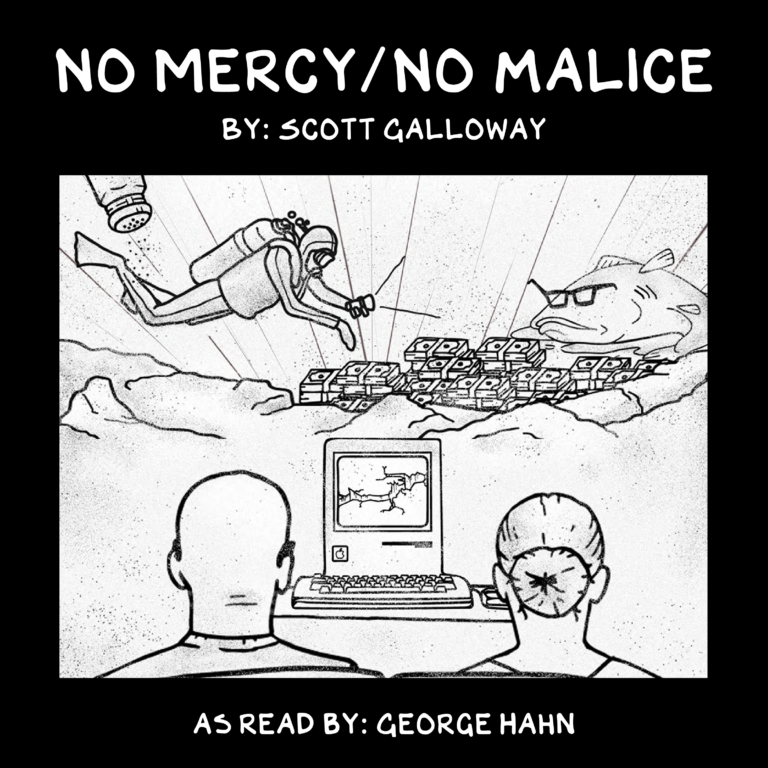
As read by George Hahn.
Searching for a Breakup
Learn more about your ad choices. Visit podcastchoices.com/adchoices
Leave a Reply
You must be logged in to post a comment.