

Summary & Insights





A giant, unfinished crater where a historic wing of the White House once stood serves as the perfect metaphor for a governing philosophy of pure disruption. This podcast episode dissects President Donald Trump’s repeated pattern of ambitious announcements followed by chaotic destruction and abandoned follow-through, framing it as a consistent strategy dubbed “Break Now, Fix Later” (BNFL).
The analysis applies this BNFL framework to several major policy initiatives. In the case of Iran, a regime change operation began with devastating airstrikes and an assassination, only to result in the slain leader’s son taking power, leaving the U.S. with a more radicalized adversary, soaring global economic costs, and no clear path forward. The massive tariff hikes, later ruled illegal, similarly followed the pattern: they disrupted global markets and raised costs for Americans, only to be rescinded after the damage was done, with no tangible benefit and no refunds to the consumers who ultimately bore the burden.
The episode further examines the creation and swift dissolution of a “Department of Government Efficiency” headed by Elon Musk, which fired thousands and dismantled agencies like USAID—a move estimated to cause millions of preventable deaths—only to be overshadowed by a new spending bill that added trillions to the national debt. The host concludes that whether this pattern stems from incompetence, short attention span, or a more deliberate thirst for destruction, the outcome is the same: systems are shattered, and nothing of substance is built in their place, leaving only ruin and higher costs in the wake.
Surprising Insights
- The true cost of tariffs was borne by Americans without recourse: While tariffs were levied on imports, nearly 80% of the cost was passed to U.S. consumers, who will not receive refunds even though the policy was later ruled illegal and the revenue must be returned to the government.
- An efficiency drive could lead to millions of deaths: The elimination of USAID, a foreign assistance agency, as part of a government efficiency push is presented not just as a cost-cutting measure but as a policy choice with a staggering estimated human cost: nearly 10 million preventable deaths over four years.
- A “psychopath” theory is seriously entertained: The host explicitly raises, though does not fully endorse, the unsettling possibility that Trump’s consistent pattern of destruction is not a failure of execution but a deliberate goal, with the promises to build anew being mere camouflage for a desire to tear things down.
Practical Takeaways
- Evaluate leaders and policies by their construction, not just their demolition: Be skeptical of grand visions that begin with tearing down existing structures (be they physical, institutional, or diplomatic). The real test is the arduous, collaborative work of building something better, which often gets abandoned.
- Look for the “fix later” trap: When a policy or decision involves immediate, high-consequence disruption with the promise of a solution down the road, question the feasibility and commitment to that future fix. The podcast argues the “fix” often never materializes.
- Understand that complexity cannot be shortcut: Meaningful achievement, as illustrated by the years of planning for the Artemis space mission, requires sustained effort, consensus-building, and attention to detail—the antithesis of the “break now, fix later” approach.
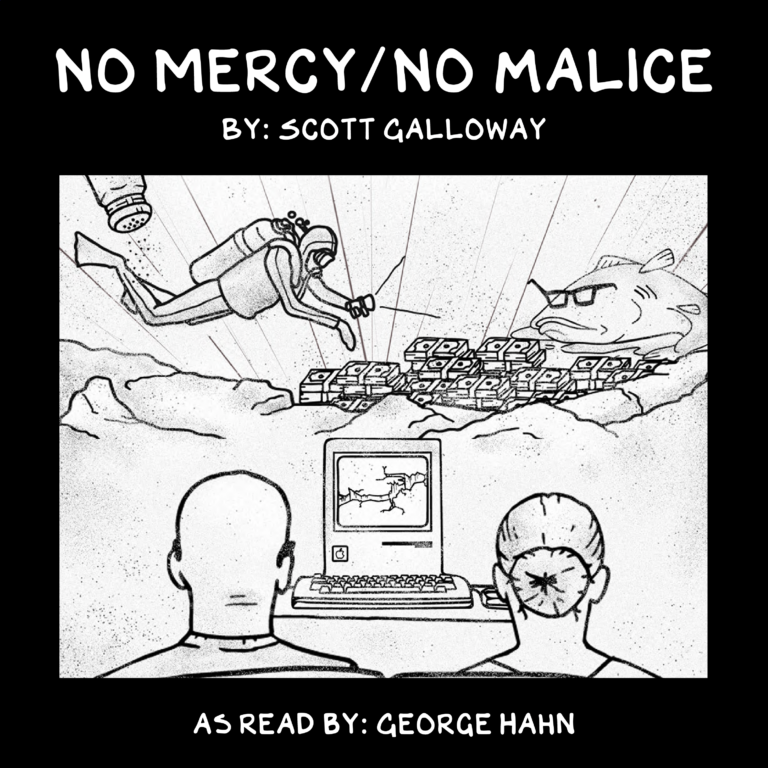
As read by George Hahn.
Taking Affection Back
Learn more about your ad choices. Visit podcastchoices.com/adchoices
Leave a Reply
You must be logged in to post a comment.