
Planet Money
99% of chemicals in our food right now were added without FDA approval. Many were added in secret, through a sneaky loophole built into the 1958 Food Additives Amendment.
It was supposed to require FDA approval for new additives. But food companies and chemical makers found a workaround. And the FDA formally okayed the loophole in the 90s — in the process bringing attention to a loophole to the loophole.
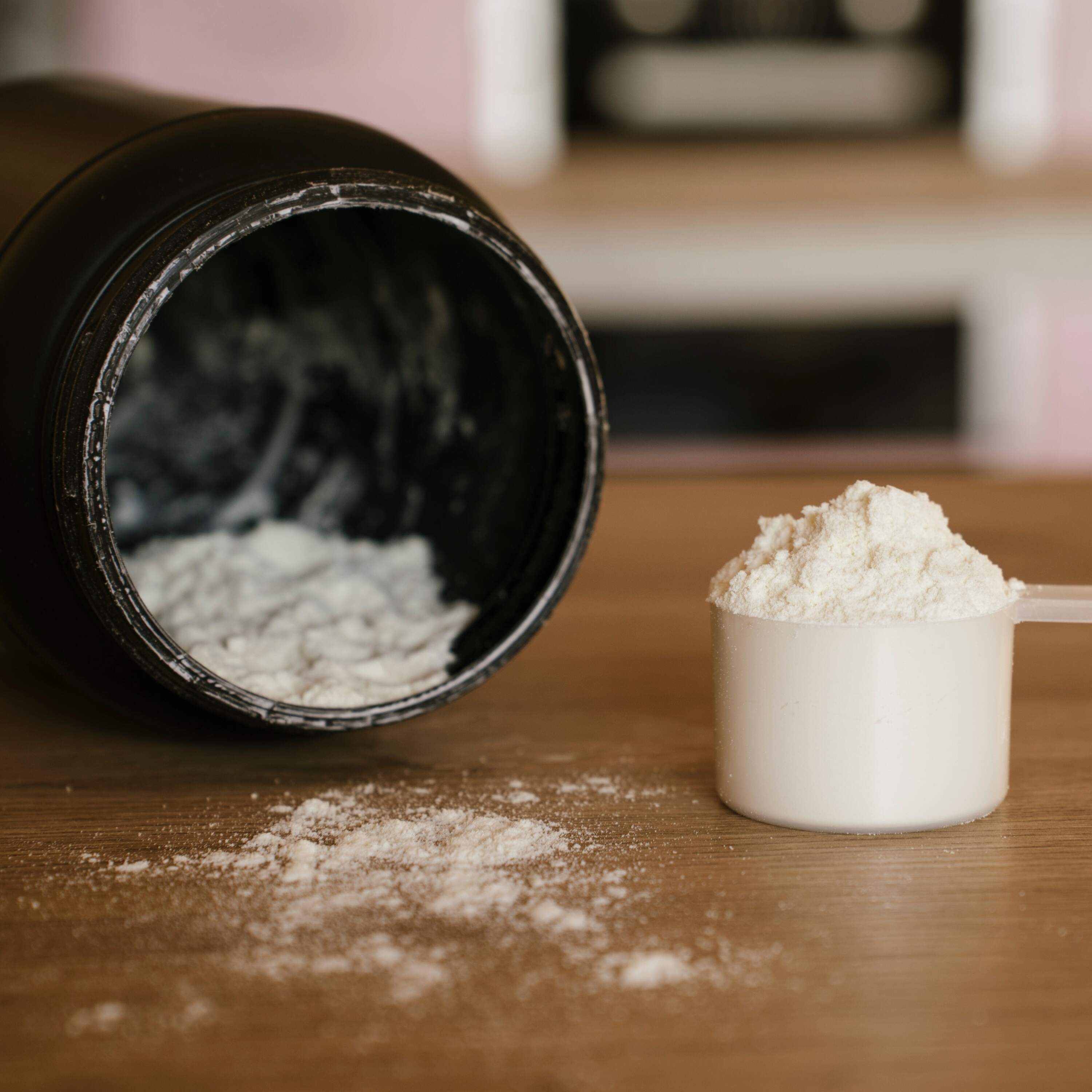
The FDA has essentially admitted it doesn’t have the capacity to verify the safety of new food chemicals. So they leave it up to food companies and chemical makers to declare their brand new chemicals are safe. These chemicals are used in everything from chocolate and smoked fish, to tea bags, protein drinks, popcorn, and seeds.
So, how’d the loophole get there, and what does it tell us about the priority the U.S. places on safety versus speed and innovation? And, how much can one lawyer do about it?
Live show tour and book info. / Subscribe to Planet Money+
Listen free: Apple Podcasts, Spotify, the NPR app or anywhere you get podcasts.
Facebook / Instagram / TikTok / Our weekly Newsletter.
This episode was hosted by Sarah Gonzalez, produced by Sam Yellowhorse Kesler, edited by Jess Jiang, fact checked by Sierra Juarez, and engineered by Robert Rodrguez with help from Kwesi Lee. Alex Goldmark is Planet Money’s executive producer.
See pcm.adswizz.com for information about our collection and use of personal data for sponsorship and to manage your podcast sponsorship preferences.
-
The Rest of the Story, 2023
It’s that time of year again! Our annual year-end tradition of checking in on the stories we’ve reported and the people we met along the way. We’ll hear from a Hollywood strike captain who tried…
-
The Indicators of this year and next
Today on the show, hosts from Planet Money and The Indicator debate the economic indicators of this year and next year. First up, we try to identify the figure that best captured the essence of…
-
We buy a lot of Christmas trees (Update)
*Note: This episode originally ran in 2020* ‘Tis the season for Americans to head out in droves and bring home a freshly-cut Christmas tree. But decorative evergreens don’t just magically show up on corner lots,…
-
Dollarizing Argentina
Argentina has been on a decades-long search for economic stability, but it always seems to be out of reach. High inflation has been plaguing the country and just surpassed 160% a year. Over the past…
-
How to be better at hybrid work, according to research
The research keeps coming in on remote work. New evidence suggests working from home, at least full-time, may not be as productive as we once thought. Economist Jose Maria Barrero and his co-authors have reviewed…
-
What econ says in the shadows
Economics Job Market Rumors is a website that’s half a job information Wiki, where people post about what’s going on inside economics departments, and half a discussion forum, where anyone with an internet connection can…
-
Why ’90s ads are unforgettable
Maybe she’s born with it, maybe it’s __________. The best part of waking up, is _______ in your cup! Got ____? If you can identify these brands based on tagline alone, it’s possible you… are…
-
The U.S. economy’s biggest superpower, explained
What if you could borrow money on the cheap and use it to pay for just about anything? The U.S. government can, and does, with U.S. Treasuries. But the market for Treasuries might be more…
-
Why do doctors still use pagers?
Remember pagers? They were huge in the 80s — these little devices that could receive short messages. Sir Mix-A-Lot even had a song about them! But then cell phones came along, and pagers more or…
-
Two food and drink indicators
Today on the show, we have two episodes from our daily podcast, The Indicator, about things we spend a lot of time thinking about this time of year: food and drink. First up, we explore…