
Planet Money
99% of chemicals in our food right now were added without FDA approval. Many were added in secret, through a sneaky loophole built into the 1958 Food Additives Amendment.
It was supposed to require FDA approval for new additives. But food companies and chemical makers found a workaround. And the FDA formally okayed the loophole in the 90s — in the process bringing attention to a loophole to the loophole.
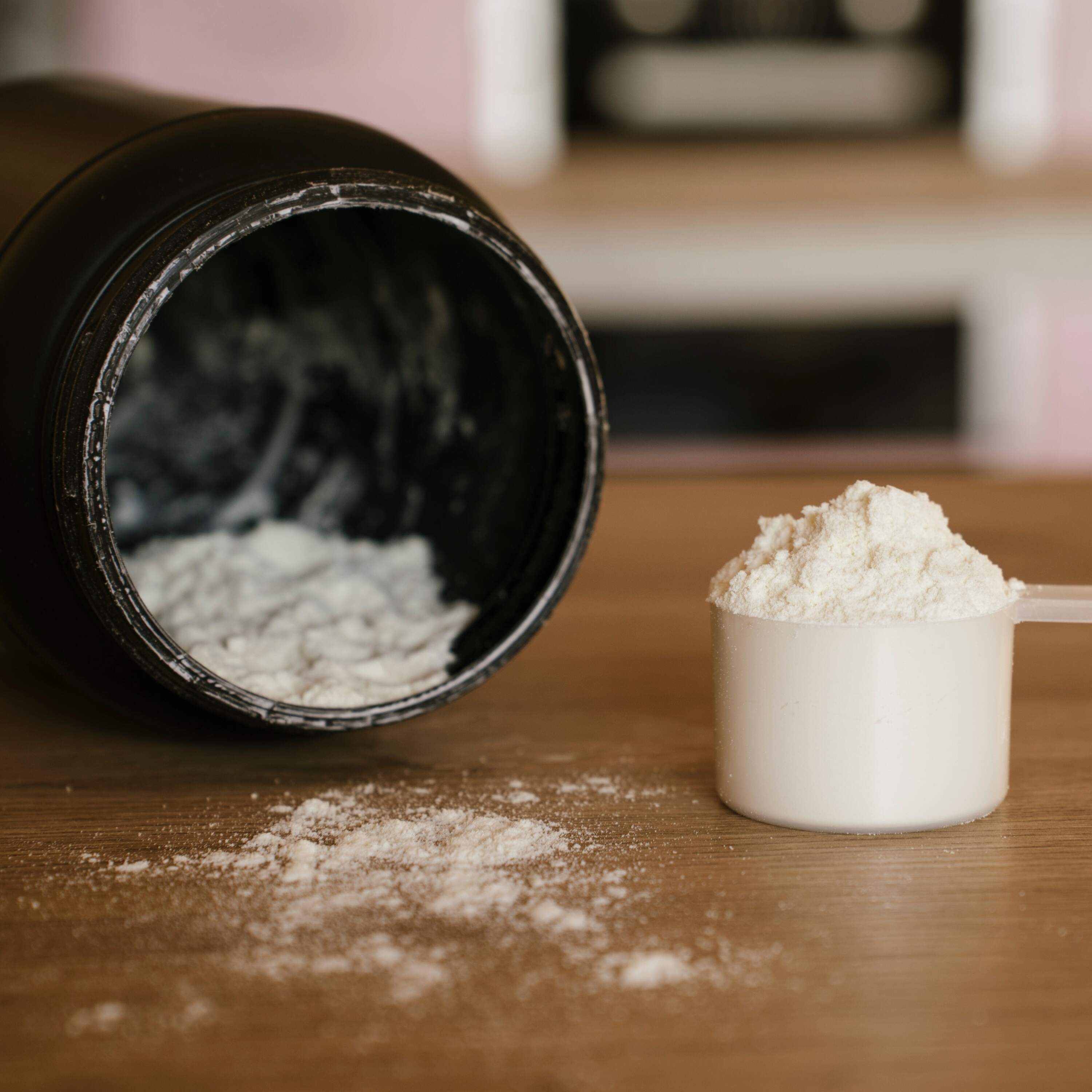
The FDA has essentially admitted it doesn’t have the capacity to verify the safety of new food chemicals. So they leave it up to food companies and chemical makers to declare their brand new chemicals are safe. These chemicals are used in everything from chocolate and smoked fish, to tea bags, protein drinks, popcorn, and seeds.
So, how’d the loophole get there, and what does it tell us about the priority the U.S. places on safety versus speed and innovation? And, how much can one lawyer do about it?
Live show tour and book info. / Subscribe to Planet Money+
Listen free: Apple Podcasts, Spotify, the NPR app or anywhere you get podcasts.
Facebook / Instagram / TikTok / Our weekly Newsletter.
This episode was hosted by Sarah Gonzalez, produced by Sam Yellowhorse Kesler, edited by Jess Jiang, fact checked by Sierra Juarez, and engineered by Robert Rodrguez with help from Kwesi Lee. Alex Goldmark is Planet Money’s executive producer.
See pcm.adswizz.com for information about our collection and use of personal data for sponsorship and to manage your podcast sponsorship preferences.
-
Why are we so bummed about the economy?
Would you say that you and your family are better off or worse off, financially, than you were a year ago? Do you think in 12 months we’ll have good times, financially, or bad? Generally…
-
So you want to sell marijuana across state lines
In the state of Oregon, there is a glut of grass. A wealth of weed. A crisis of chronic. And, jokes aside, it’s a real problem for people who work in the cannabis industry like…
-
A very Planet Money Thanksgiving
Here at Planet Money, Thanksgiving is not just a time to feast on turkey, stuffing, mashed potatoes, green bean casseroles and pie(s). It’s also a time to feast on economics. Today, we host a very…
-
Economic fact in literary fiction
Some of the most influential and beloved novels of the last few years have been about money, finance, and the global economy. Some overtly so, others more subtly. It got to the point where we…
-
China’s real estate crisis, explained
China’s economic growth for the past few decades has been extraordinary. And much of that growth was fueled by real estate – it was like this miraculous economic engine for the country. But recently, that…
-
The alleged theft at the heart of ChatGPT
When best-selling thriller writer Douglas Preston began playing around with OpenAI’s new chatbot, ChatGPT, he was, at first, impressed. But then he realized how much in-depth knowledge GPT had of the books he had written.…
-
Never have I ever
The world of economics has these two different sides. One one side, there are the economists in their cozy armchairs and dusty libraries, high up in their ivory towers. On the other, there’s the messy…
-
FTC Chair Lina Khan on Antitrust in the age of Amazon
When Lina Khan was in law school back in 2017, she wrote a law review article called ‘Amazon’s Antitrust Paradox,’ that went kinda viral in policy circles. In it, she argued that antitrust enforcement in…
-
Antitrust in America (classic)
Earlier this fall, the Federal Trade Commission filed a high-stakes lawsuit against Amazon. In that suit, the FTC claims Amazon is a monopoly, and it accuses the company of using anti-competitive tactics to hold onto…
-
All you can eat economics
You might expect to find economic concepts in the pages of an economics textbook. But you know where you can really see a lot of economic concepts in action? Buffets. Here at Planet Money we…