

Summary & Insights





The most dangerous mistake a founder can make in the modern era is attempting to be “media trained.” Traditional media training is designed to strip away idiosyncrasies, minimize controversy, and turn executives into “plastic people” who speak in innocuous platitudes. In a world of legacy gatekeepers, the goal was defense: avoid making a mistake and maintain a polished, corporate veneer. However, in the age of new media, that defensive posture is a liability.
The shift from old to new media is fundamentally a shift from corporate brands to personal brands. While legacy media forced messages through “narrow straws”—distilling a company’s essence into a tiny, abstract corporate logo—new media allows for unlimited formats and direct communication. Success now belongs to the “offense,” where founders like Elon Musk, Alex Karp, and Palmer Luckey build influence by being viscerally interesting and authentic. The goal is no longer to avoid the news, but to become the source of it by speaking as they would to a friend over lunch.
To truly master this, founders must stop thinking “inside out”—starting with their product and pushing it toward the world—and instead think “outside in.” The most effective communicators don’t spend their time talking about their company’s features; they identify the most interesting, urgent stories happening in the world and then situate their company within that context. By owning a piece of the larger global discourse, a founder transforms from a mere vendor into a thought leader whose presence is “catnip” for high-level decision-makers and Fortune 500 CEOs.
Surprising Insights
- The “Anti-Training” Approach: The most effective media training isn’t about polishing a performance, but about removing the filters and saying the same things in public that you would say behind closed doors.
- The Utility of Hate: Neutrality is the enemy of growth. To be truly interesting in new media, you must be polarizing; having the “right enemies” is actually a powerful tool for galvanizing those who love your brand.
- The Obsolescence of the Corporate Brand: Abstract corporate brands were a technological necessity of the 1930s-1990s because of centralized media. As media decentralizes, the “name on the door” (the person) is returning as the primary unit of trust.
- The “S1” Paradox: Companies spend thousands of hours on formal legal filings and annual letters that almost no one reads, while a single well-crafted YouTube interview or a provocative X post can drive more investor and customer sentiment than a decade of official reports.
Practical Takeaways
- Think Outside-In: Instead of pitching your product, identify a massive global trend or problem (e.g., geopolitical instability or supply chain collapse) and explain how your company relates to that larger story.
- Prioritize Message over Distribution: Avoid the trap of chasing “virality” or specific platforms until you have a message that is genuinely interesting. Distribution is only a multiplier; if the message is boring, you are simply amplifying boredom.
- Hire Storytellers, Not Just Marketers: When building a media team, look for people who have a proven track record of building their own audiences or an obsession with digital discourse, rather than those with traditional corporate PR backgrounds.
- Work Backward from the Desired Outcome: Define exactly who you want to hire or sell to, determine what they need to believe about the world, and craft your content to align with those specific beliefs.
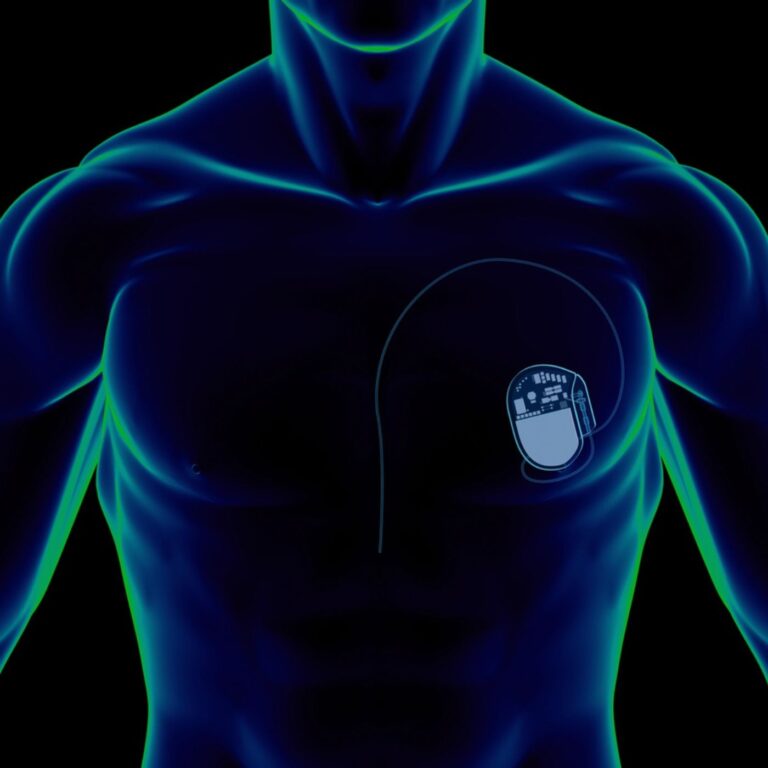
Many don’t realize we even need to think about the possibility of security hacks when it comes to things like pacemakers, insulin pumps, and more. But when bits and bytes meet flesh and blood, security becomes literally a life or death concern. So what are the issues and risks we need to be aware of in exposing security vulnerabilities in connected biomedical devices?
This conversation—with Beau Woods, Cyber Safety Innovation Fellow with the Atlantic Council, part of the I Am The Cavalry grassroots security initiative, Founder/CEO of Stratigos Security; Andy Coravos, co-founder and CEO of Elektra Labs, advisor to the Biohacking Village at DEF CON (both of whom were formerly EIRs at the FDA); and a16z’s Hanne Tidnam covers how we should begin to think about addressing these security issues in the biomedical device space. What are the frameworks that should guide our conversations, and how and when (and which!) stakeholders should be incentivized to address these challenges? How did the FDA begin to think about security as part of the safety of all medical devices, including software as a medical device, and how we should think about understanding, monitoring, and updating the security of these devices—from philosophical statements to on-the-ground practical fixes and updates?
Leave a Reply
You must be logged in to post a comment.