

Summary & Insights


Imagine waking up to find that every cent in your bank account has vanished, not because of a market crash, but because the very digital infrastructure of the U.S. financial system was wiped out in a coordinated attack. This chilling scenario is just one of several predictions shared by Professor Chung, who argues that we are not merely witnessing a shift in global power, but the actual collapse of civilization. He posits that our current era—defined by the “petrodollar” system and extreme specialization—has hit its apex, and that the inevitable regression will be characterized by a return to nationalistic, self-sufficient, and far less technologically advanced societies.
The core of Chung’s argument rests on a specific formula: technological progress is the product of specialization multiplied by globalization. For decades, the world has thrived because countries specialized in what they did best—China in rare earths and silicon, the U.S. in design, the Netherlands in lithography—and traded freely under the protection of U.S. military hegemony. However, as geopolitical tensions rise in the Middle East and East Asia, this interdependence is becoming a liability. Chung suggests that as nations “turtle up” to secure their own supply chains, the synergy required for high-level innovation will disappear, leading to a systemic breakdown reminiscent of the Bronze Age collapse.
Beyond economics, the conversation ventures into a grim geopolitical forecast. Chung envisions a world of “cascading crises,” where water scarcity drives wars in the Global South, leading to mass migrations that overwhelm an aging and polarized West. He warns that the U.S. empire, driven by hubris and a lack of empathy, may respond to these threats with devastating force—such as attacking critical civilian infrastructure in Iran—which would only accelerate the global descent into chaos. Despite this bleak outlook, he concludes with a spiritual plea, suggesting that such a collapse is a necessary catalyst for a global spiritual awakening, forcing humanity to abandon materialism in favor of love, family, and faith.
Surprising Insights
- The Specialization Trap: Technological advancement isn’t just about “smart people” or “better universities,” but is strictly dependent on the ability of multiple countries to specialize and trade without friction.
- The “Madman Theory” of Iran: Iran’s most effective strategic play is not a traditional military victory, but the creation of enough random chaos in global shipping to destroy the “confidence” that insurance companies need to cover trade.
- Water as the Next Oil: Geopolitical flashpoints over the next 20 years will be determined more by water scarcity maps than by energy reserves.
- The Robotics Paradox: While Western nations may look to robots to solve the labor shortages caused by aging populations, the materials needed to build those robots (lithium, copper, silicon) are controlled by the very adversaries they are distancing themselves from.
Practical Takeaways
- Prioritize Human Connection: In an era of potential systemic instability, invest deeply in your family and immediate community, as these relationships provide the only true security during a societal collapse.
- Diversify Beyond Digital Infrastructure: Given the vulnerability of centralized financial servers, consider the risks of having all assets tied to a single digital point of failure.
- Cultivate Spiritual Resilience: Shift focus away from purely materialistic goals and status symbols, as these are the first things to lose value during periods of high volatility and regression.
- Commit to Truth-Telling: Practice intellectual honesty and speak the truth regardless of the prevailing social or political climate, as authenticity is a key component of personal growth and moral responsibility.
🛍️ Products & Resources Mentioned
- ⚡ DeviceBoncharge Face Mask — Mentioned as a professional-grade device that boosts collagen production and improves complexion. View on Amazon →
- 🛠️ GearStan Store (Stanley AI) — An AI tool used for social media content inspiration and automated post creation to help build a personal brand. View on Amazon →
- 🛠️ GearShopify — Recommended as a smart platform for entrepreneurs to start selling and grow a business with AI tools and analytics. View on Amazon →
- 📚 BookA Clean Break: A New Strategy for Securing the Realm — A 1996 policy document commissioned by Benjamin Netanyahu outlining a strategy for Israeli regional dominance. View on Amazon →
Hãy tưởng tượng bạn thức dậy và phát hiện ra mọi đồng xu trong tài khoản ngân hàng đã biến mất, không phải vì thị trường sụp đổ, mà vì chính cơ sở hạ tầng kỹ thuật số của hệ thống tài chính Hoa Kỳ đã bị xóa sạch trong một cuộc tấn công phối hợp. Kịch bản rùng mình này chỉ là một trong số nhiều dự đoán mà Giáo sư Chung chia sẻ, người lập luận rằng chúng ta không đơn thuần đang chứng kiến một sự chuyển dịch quyền lực toàn cầu, mà là sự sụp đổ thực sự của nền văn minh. Ông cho rằng kỷ nguyên hiện tại—được định nghĩa bởi hệ thống “petrodollar” (đồng đô la dầu mỏ) và sự chuyên môn hóa cực độ—đã đạt đến đỉnh điểm, và sự thoái trào tất yếu sẽ được đặc trưng bởi việc quay trở lại các xã hội theo chủ nghĩa dân tộc, tự cung tự cấp và ít tiên tiến về công nghệ hơn nhiều.
Cốt lõi trong lập luận của Chung dựa trên một công thức cụ thể: tiến bộ công nghệ là tích số của sự chuyên môn hóa nhân với toàn cầu hóa. Trong nhiều thập kỷ, thế giới đã hưng thịnh vì các quốc gia chuyên môn hóa vào những gì họ làm tốt nhất—Trung Quốc về đất hiếm và silicon, Hoa Kỳ về thiết kế, Hà Lan về quang khắc—và giao thương tự do dưới sự bảo hộ của thế quyền quân sự Hoa Kỳ. Tuy nhiên, khi căng thẳng địa chính trị gia tăng ở Trung Đông và Đông Á, sự phụ thuộc lẫn nhau này đang trở thành một gánh nặng. Chung cho rằng khi các quốc gia “co mình lại” để đảm bảo chuỗi cung ứng riêng, sự hiệp lực cần thiết cho đổi mới cấp độ cao sẽ biến mất, dẫn đến một sự sụp đổ hệ thống gợi nhớ đến sự sụp đổ thời đại Đồ đồng.
Vượt ra ngoài kinh tế, cuộc thảo luận tiến tới một dự báo địa chính trị u ám. Chung hình dung về một thế giới của những “cuộc khủng hoảng nối tiếp”, nơi tình trạng khan hiếm nước thúc đẩy các cuộc chiến ở Nam bán cầu, dẫn đến những làn sóng di cư khổng lồ gây áp lực lên một phương Tây đang già hóa và phân cực. Ông cảnh báo rằng đế chế Hoa Kỳ, bị thúc đẩy bởi sự ngạo mạn và thiếu lòng trắc ẩn, có thể đáp trả những mối đe dọa này bằng vũ lực tàn khốc—chẳng hạn như tấn công vào các cơ sở hạ tầng dân sự quan trọng ở Iran—điều này sẽ chỉ đẩy nhanh quá trình rơi vào hỗn loạn toàn cầu. Bất chấp triển vọng ảm đạm này, ông kết luận bằng một lời thỉnh cầu tâm linh, cho rằng sự sụp đổ như vậy là chất xúc tác cần thiết cho một cuộc thức tỉnh tâm linh toàn cầu, buộc nhân loại phải từ bỏ chủ nghĩa vật chất để hướng tới tình yêu, gia đình và đức tin.
Những góc nhìn gây bất ngờ
- Bẫy Chuyên môn hóa: Sự tiến bộ công nghệ không chỉ nằm ở những “người thông minh” hay “các trường đại học tốt hơn”, mà phụ thuộc chặt chẽ vào khả năng của nhiều quốc gia trong việc chuyên môn hóa và giao thương không rào cản.
- “Thuyết Kẻ điên” của Iran: Nước đi chiến lược hiệu quả nhất của Iran không phải là một chiến thắng quân sự truyền thống, mà là tạo ra đủ sự hỗn loạn ngẫu nhiên trong vận tải toàn cầu để phá hủy “niềm tin” mà các công ty bảo hiểm cần để bảo trợ thương mại.
- Nước là “Dầu mỏ” tiếp theo: Các điểm nóng địa chính trị trong 20 năm tới sẽ được quyết định bởi bản đồ khan hiếm nước nhiều hơn là dự trữ năng lượng.
- Nghịch lý Robot: Trong khi các quốc gia phương Tây có thể trông cậy vào robot để giải quyết tình trạng thiếu hụt lao động do dân số già, thì những vật liệu cần thiết để chế tạo robot đó (lithium, đồng, silicon) lại do chính những đối thủ mà họ đang tìm cách tách rời kiểm soát.
Bài học thực tiễn
- Ưu tiên kết nối con người: Trong một kỷ nguyên tiềm ẩn bất ổn hệ thống, hãy đầu tư sâu sắc vào gia đình và cộng đồng xung quanh, vì những mối quan hệ này cung cấp sự an toàn thực sự duy nhất trong một cuộc sụp đổ xã hội.
- Đa dạng hóa ngoài hạ tầng kỹ thuật số: Trước sự tổn thương của các máy chủ tài chính tập trung, hãy cân nhắc rủi ro khi đặt tất cả tài sản vào một điểm lỗi kỹ thuật số duy nhất.
- Nuôi dưỡng sự kiên cường về tâm linh: Chuyển sự tập trung khỏi các mục tiêu vật chất thuần túy và các biểu tượng địa vị, vì đây là những thứ đầu tiên mất giá trong thời kỳ biến động mạnh và thoái trào.
- Cam kết nói sự thật: Thực hành sự trung thực về trí tuệ và nói sự thật bất kể bối cảnh xã hội hay chính trị hiện tại, vì sự chân thực là thành phần then chốt của sự trưởng thành cá nhân và trách nhiệm đạo đức.
想像一下,當你醒來時發現銀行帳戶中的每一分錢都消失了,這並非因為市場崩盤,而是因為美國金融系統的數位基礎設施在一次協同攻擊中被徹底抹除。這個令人不寒而慄的情景,僅是 Chung 教授分享的幾個預測之一。他認為,我們目前見證的不僅僅是全球權力的轉移,而是文明真正的崩潰。他假設,我們這個由「石油美元」體系和極端專業化所定義的時代已經達到頂峰,而不可避免的退化將表現為回歸到民族主義、自給自足且技術水平低得多的人類社會。
Chung 論點的核心在於一個特定的公式:技術進步是「專業化」乘以「全球化」的產物。數十年來,世界之所以繁榮,是因為各國專精於自己最擅長的領域——中國專精於稀土和矽,美國專精於設計,荷蘭專精於光刻技術——並在美國軍事霸權的保護下自由貿易。然而,隨著中東和東亞的地緣政治緊張局勢升溫,這種相互依賴正變成一種負擔。Chung 指出,隨著各國為了確保自身供應鏈而採取「縮殼(turtle up)」策略,高階創新所需的協同效應將會消失,導致一場令人想起青銅時代崩潰的系統性瓦解。
除了經濟方面,對話還延伸到陰暗的地緣政治預測。Chung 預見了一個「連鎖危機」的世界:水資源短缺將驅動全球南方的戰爭,進而導致大規模移民,使老齡化且極端分極化的西方世界不堪負荷。他警告說,受傲慢和缺乏同理心驅使的美國帝國,可能會以毀滅性的力量來應對這些威脅——例如攻擊伊朗關鍵的民用基礎設施——而這將進一步加速全球陷入混亂。儘管前景 bleak(黯淡),他最後以靈性的懇求作結,認為這樣的崩潰是全球靈性覺醒的必要催化劑,將迫使人類放棄物質主義,轉而追求愛、家庭與信仰。
驚人之見
- 專業化陷阱: 技術進步不僅僅在於「聰明的人」或「更好的大學」,而是嚴格依賴於多個國家能夠在沒有摩擦的情況下進行專業分工與貿易。
- 伊朗的「瘋子理論」: 伊朗最有效的戰略手段並非傳統的軍事勝利,而是在全球航運中製造足夠的隨機混亂,從而摧毀保險公司承保貿易所需的「信心」。
- 水將成為下一個石油: 未來 20 年的地緣政治衝突爆發點,將更多地由水資源短缺圖而非能源儲備圖來決定。
- 機器人悖論: 雖然西方國家可能希望依靠機器人來解決人口老齡化導致的勞動力短缺,但製造這些機器人所需的原材料(鋰、銅、矽)卻掌握在他們正試圖疏遠的對手手中。
實踐啟示
- 優先考慮人際連結: 在潛在的系統性不穩定時代,深耕你的家庭和近鄰社區,因為在社會崩潰期間,這些關係是唯一真正的安全保障。
- 將資產多元化,脫離數位基礎設施: 鑑於中心化金融伺服器的脆弱性,請考慮將所有資產都綁定在單一數位故障點上的風險。
- 培養靈性韌性: 將重心從純粹的物質目標和地位象徵轉移開,因為在高度波動和退化的時期,這些是首先失去價值的東西。
- 致力於說真話: 實踐理智上的誠實,無論當前的社會或政治氛圍如何,都要勇於說出真相,因為真實性是個人成長和道德責任的關鍵組成部分。
Imaginez-vous waking up pour découvrir que chaque centime de votre compte bancaire a disparu, non pas à cause d’un krach boursier, mais parce que l’infrastructure numérique même du système financier américain a été anéantie lors d’une attaque coordonnée. Ce scénario glaçant n’est qu’une des multiples prédictions partagées par le professeur Chung, qui soutient que nous ne sommes pas simplement témoins d’un basculement du pouvoir mondial, mais du véritable effondrement de la civilisation. Il postule que notre ère actuelle — définie par le système du « pétrodollar » et une spécialisation extrême — a atteint son apogée, et que la régression inévitable sera caractérisée par un retour à des sociétés nationalistes, autosuffisantes et beaucoup moins avancées technologiquement.
Le cœur de l’argument de Chung repose sur une formule spécifique : le progrès technologique est le produit de la spécialisation multipliée par la mondialisation. Pendant des décennies, le monde a prospéré parce que les pays se sont spécialisés dans ce qu’ils faisaient de mieux — la Chine pour les terres rares et le silicium, les États-Unis pour la conception, les Pays-Bas pour la lithographie — et ont commercé librement sous la protection de l’hégémonie militaire américaine. Cependant, alors que les tensions géopolitiques s’intensifient au Moyen-Orient et en Asie de l’Est, cette interdépendance devient un handicap. Chung suggère qu’à mesure que les nations se « replient sur elles-mêmes » pour sécuriser leurs propres chaînes d’approvisionnement, la synergie nécessaire à l’innovation de haut niveau disparaîtra, menant à un effondrement systémique rappelant celui de l’âge du bronze.
Au-delà de l’économie, la discussion s’aventure vers des prévisions géopolitiques sombres. Chung envisage un monde de « crises en cascade », où la pénurie d’eau provoque des guerres dans les pays du Sud, entraînant des migrations massives qui submergent un Occident vieillissant et polarisé. Il avertit que l’empire américain, poussé par l’orgueil et un manque d’empathie, pourrait répondre à ces menaces par une force dévastatrice — comme l’attaque d’infrastructures civiles critiques en Iran — ce qui ne ferait qu’accélérer la descente mondiale vers le chaos. Malgré ces perspectives lugubres, il conclut par un plaidoyer spirituel, suggérant qu’un tel effondrement est un catalyseur nécessaire à un éveil spirituel mondial, forçant l’humanité à abandonner le matérialisme au profit de l’amour, de la famille et de la foi.
Perspectives Surprenantes
- Le piège de la spécialisation : Le progrès technologique ne dépend pas seulement de « personnes intelligentes » ou de « meilleures universités », mais est strictement conditionné par la capacité de plusieurs pays à se spécialiser et à commercer sans friction.
- La « théorie du fou » de l’Iran : La stratégie la plus efficace de l’Iran n’est pas une victoire militaire traditionnelle, mais la création d’un chaos suffisant dans le transport maritime mondial pour détruire la « confiance » dont les compagnies d’assurance ont besoin pour couvrir le commerce.
- L’eau comme nouveau pétrole : Les points de friction géopolitiques des 20 prochaines années seront davantage déterminés par les cartes de la pénurie d’eau que par les réserves d’énergie.
- Le paradoxe de la robotique : Alors que les nations occidentales pourraient se tourner vers les robots pour pallier la pénurie de main-d’œuvre causée par le vieillissement de la population, les matériaux nécessaires à la construction de ces robots (lithium, cuivre, silicium) sont contrôlés par les adversaires mêmes dont elles cherchent à se distancier.
Conseils Pratiques
- Prioriser les liens humains : Dans une ère d’instabilité systémique potentielle, investissez profondément dans votre famille et votre communauté immédiate, car ces relations constituent la seule véritable sécurité lors d’un effondrement sociétal.
- Diversifier au-delà de l’infrastructure numérique : Étant donné la vulnérabilité des serveurs financiers centralisés, considérez les risques liés au fait d’avoir tous vos actifs liés à un seul point de défaillance numérique.
- Cultiver la résilience spirituelle : Détournez votre attention des objectifs purement matérialistes et des symboles de statut, car ce sont les premières choses à perdre leur valeur lors des périodes de forte volatilité et de régression.
- S’engager envers la vérité : Pratiquez l’honnêteté intellectuelle et dites la vérité, quel que soit le climat social ou politique dominant, car l’authenticité est une composante clé de la croissance personnelle et de la responsabilité morale.
Stellen Sie sich vor, Sie wachen auf und stellen fest, dass jeder Cent auf Ihrem Bankkonto verschwunden ist – nicht aufgrund eines Marktcrashs, sondern weil die gesamte digitale Infrastruktur des US-Finanzsystems in einem koordinierten Angriff ausgelöscht wurde. Dieses erschreckende Szenario ist nur eine von mehreren Vorhersagen von Professor Chung, der argumentiert, dass wir nicht bloß einen Machtwechsel auf globaler Ebene miterleben, sondern den tatsächlichen Zusammenbruch der Zivilisation. Er vertritt die These, dass unsere aktuelle Ära – definiert durch das „Petrodollar“-System und extreme Spezialisierung – ihren Höhepunkt erreicht hat und dass die unvermeidliche Regression durch eine Rückkehr zu nationalistischen, autarken und weitaus weniger technologisch fortgeschrittenen Gesellschaften gekennzeichnet sein wird.
Der Kern von Chungs Argumentation beruht auf einer spezifischen Formel: Technologischer Fortschritt ist das Produkt aus Spezialisierung multipliziert mit Globalisierung. Jahrzehntelang ist die Welt floriert, weil sich die Länder auf das spezialisierten, was sie am besten konnten – China bei Seltenen Erden und Silizium, die USA beim Design, die Niederlande bei der Lithografie – und unter dem Schutz der US-militärischen Hegemonie frei Handel trieben. Da jedoch die geopolitischen Spannungen im Nahen Osten und in Ostasien zunehmen, wird diese Interdependenz zu einem Risiko. Chung legt nahe, dass die für hochkarätige Innovationen erforderliche Synergie verschwinden wird, wenn sich Nationen „einigeln“, um ihre eigenen Lieferketten zu sichern, was zu einem systemischen Zusammenbruch führen würde, der an den Kollaps der Bronzezeit erinnert.
Über die Wirtschaft hinaus begibt sich das Gespräch in eine düstere geopolitische Prognose. Chung sieht eine Welt „kaskadierender Krisen“ vor sich, in der Wasserknappheit Kriege im globalen Süden auslöst, was wiederum zu Massenmigrationen führt, die einen alternden und polarisierten Westen überfordern. Er warnt davor, dass das US-Imperium, getrieben von Hybris und einem Mangel an Empathie, auf diese Bedrohungen mit verheerender Gewalt reagieren könnte – etwa durch Angriffe auf kritische zivile Infrastruktur im Iran –, was den globalen Abstieg ins Chaos nur beschleunigen würde. Trotz dieses trostlosen Ausblicks schließt er mit einem spirituellen Appell: Ein solcher Zusammenbruch sei ein notwendiger Katalysator für ein globales spirituelles Erwachen, das die Menschheit zwinge, den Materialismus zugunsten von Liebe, Familie und Glauben aufzugeben.
Überraschende Erkenntnisse
- Die Spezialisierungsfalle: Technologischer Fortschritt hängt nicht einfach von „intelligenten Menschen“ oder „besseren Universitäten“ ab, sondern ist strikt abhängig von der Fähigkeit mehrerer Länder, sich zu spezialisieren und reibungslos Handel zu treiben.
- Die „Madman-Theorie“ des Iran: Der effektivste strategische Schachzug des Iran ist nicht ein traditioneller militärischer Sieg, sondern die Erzeugung von ausreichend zufälligem Chaos in der globalen Schifffahrt, um das „Vertrauen“ zu zerstören, das Versicherungsgesellschaften für die Deckung des Handels benötigen.
- Wasser als das neue Öl: Geopolitische Brennpunkte der nächsten 20 Jahre werden stärker durch Karten der Wasserknappheit als durch Energiereserven bestimmt werden.
- Das Robotik-Paradoxon: Während westliche Nationen auf Roboter setzen könnten, um den durch alternde Bevölkerungen verursachten Arbeitskräftemangel zu lösen, werden die Materialien für den Bau dieser Roboter (Lithium, Kupfer, Silizium) von genau jenen Gegnern kontrolliert, von denen man sich distanziert.
Praktische Lehren
- Menschliche Verbindungen priorisieren: Investieren Sie in einer Ära potenzieller systemischer Instabilität tief in Ihre Familie und Ihre unmittelbare Gemeinschaft, da diese Beziehungen die einzige wahre Sicherheit während eines gesellschaftlichen Zusammenbruchs bieten.
- Diversifizierung über digitale Infrastrukturen hinaus: Angesichts der Anfälligkeit zentralisierter Finanzserver sollten Sie die Risiken abwägen, wenn alle Vermögenswerte an einen einzigen digitalen „Single Point of Failure“ gebunden sind.
- Spirituelle Resilienz kultivieren: Verlagern Sie Ihren Fokus weg von rein materialistischen Zielen und Statussymbolen, da dies die ersten Dinge sind, die in Zeiten hoher Volatilität und Regression an Wert verlieren.
- Zur Wahrheit stehen: Üben Sie intellektuelle Ehrlichkeit und sprechen Sie die Wahrheit, ungeachtet des vorherrschenden sozialen oder politischen Klimas, da Authentizität ein Schlüsselelement für persönliches Wachstum und moralische Verantwortung ist.
Could war and global trade breakdowns trigger a modern Bronze Age collapse? Uncover the hidden geopolitical forces dismantling the American empire and what this shift means for our future.
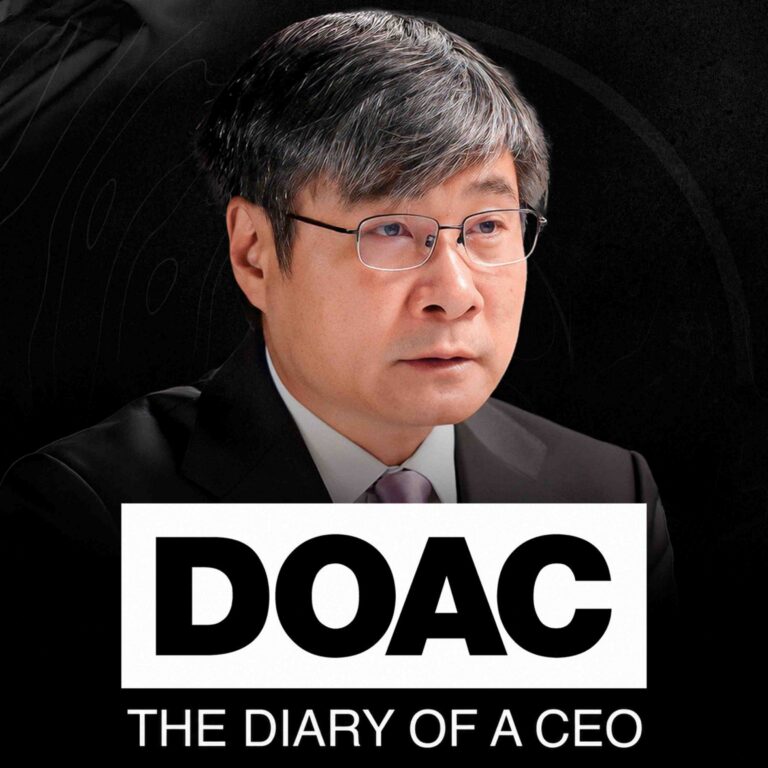
Professor Jiang Xueqin is a renowned geopolitical analyst and Yale educated scholar who applies rigorous historical patterns and game theory to forecast the world’s most catastrophic conflicts. He returns to reveal the hidden vulnerabilities of our modern civilization by mapping the intricate connections between natural resources, military hegemony, and global supply chains. This urgent analysis provides a framework to help everyday people find meaning and resilience amidst the impending global chaos.
In this episode, he explains:
■ The Innovation Equation: Why technological progress is strictly dictated by specialization multiplied by globalization.
■ The Petrodollar Collapse: How the entire global economy relies on US military hegemony and the Middle East.
■ The Hubris Trap: Why mass, resources, and technology eventually become a nation’s greatest weaknesses.
■ The Next Geopolitical Flashpoints: How severe water scarcity and shifting demographics in the Global South will trigger mass migration, intense polarization, and potential civil wars across Western societies.
■ The Financial 9/11: Why the next catastrophic terror attack won’t target physical buildings, but rather critical financial data servers designed to wipe out bank accounts.
Chapters
- 00:00:00 Intro
- 00:02:20 Where Is the World Heading?
- 00:10:26 What Would a Collapse of Civilization Actually Look Like?
- 00:14:13 Who Are the Houthis—and Why Do They Matter?
- 00:16:52 Why This Is Different From the Iraq War
- 00:23:20 Why Is It So Hard to Believe a Collapse Could Happen?
- 00:26:44 Could War Actually Reach American Shores?
- 00:30:07 Ads
- 00:38:52 How Immigration Could Push Politics Further Right
- 00:41:45 What Happens Next With Iran?
- 00:42:47 How Iran Could Disrupt Global Trade
- 00:44:29 The Iran Prediction—and What Happens Next
- 00:46:22 Could This Trigger a Massive Migration Crisis?
- 00:47:47 What Would Trump Do Next?
- 00:48:57 Can Trump Back Out of This War?
- 00:49:57 Prediction #1: Could New York City Face a Siege?
- 00:53:34 When Could This Conflict Actually Happen?
- 00:58:22 Prediction #2: An Attack on U.S. Financial Infrastructure
- 01:02:23 Ads
- 01:03:28 Why Getting Back Into the U.S. Could Become a Problem
- 01:09:56 Prediction #3: Messi Becomes President of Argentina
- 01:12:47 Why China and Japan Could Go to War
- 01:20:57 How Far Would the U.S. Go to Defend Taiwan?
- 01:21:42 Could Russia Invade the Baltics?
- 01:25:32 Can Russia Make a Deal Instead of Going to War?
- 01:26:59 Does Trump Actually Want Ukraine to Win?
- 01:29:13 What Could Stop These Global Conflicts From Spreading?
- 01:35:42 How the Average Person Can Prepare for What’s Coming
- 01:41:03 How AI Changes the Global Power Struggle
- 01:42:46 Why AI Surveillance Could Be the Bigger Threat
- 01:46:33 The Biggest Personal Challenge—and How to Overcome It
Follow Professor Jiang:
YouTube – https://link.thediaryofaceo.com/4JsRjcX
Instagram – https://link.thediaryofaceo.com/8w2GsYk
X – https://link.thediaryofaceo.com/CpR2Wf5
Substack (geo-political analysis) – https://link.thediaryofaceo.com/3wjOVqX
The Diary Of A CEO:
◼ Join DOAC circle here – https://doaccircle.com/
◼ Buy The Diary Of A CEO book here – https://link.thediaryofaceo.com/BWjLTZK
◼ Shop The Diary Of A CEO collection: https://thediary.com/collections/shop
◼ Get email updates – https://link.thediaryofaceo.com/5IB1H6E
◼ Follow Steven – https://link.thediaryofaceo.com/AGU9QP4
Sponsors:
Bon Charge: https://boncharge.com/DOAC for 20% off
Stan – Visit https://coach.stan.store/?ref=stevenbartlett&utm_source=youtube&utm_medium=podcast&utm_campaign=episode11
Shopify – https://shopify.com/bartlett

Leave a Reply
You must be logged in to post a comment.