
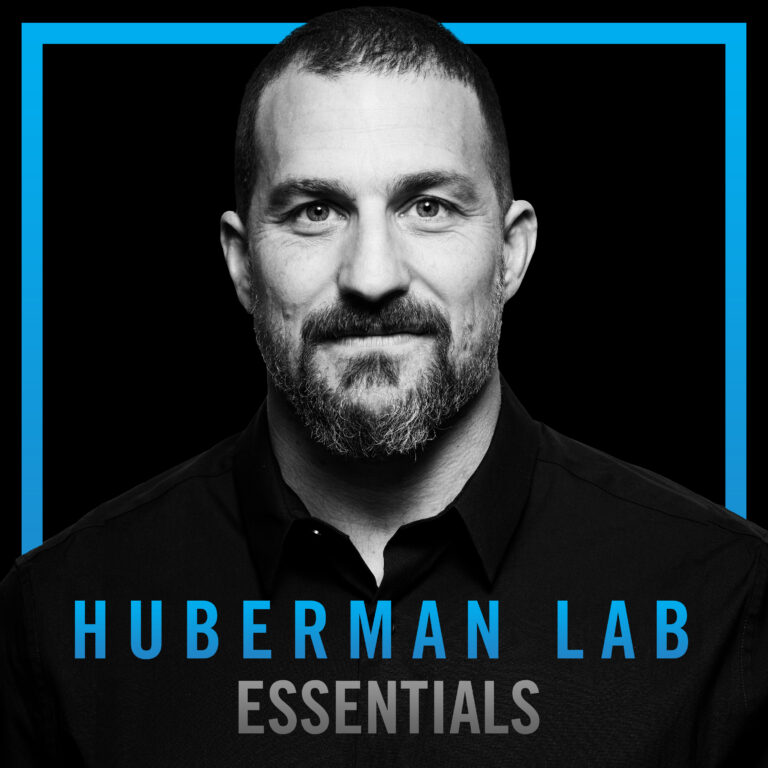
In this Huberman Lab Essentials episode, my guest is Dr. Matthew MacDougall, a neurosurgeon at Neuralink. We discuss how brain-machine interfaces could help people with paralysis control computers using their intended movements, and how robotic surgery enables the placement of tiny electrodes in the brain. We also explore advances in brain tumor surgery, implant safety, how the brain and software learn to work together, and the role of animal research. Dr. MacDougall shares his vision for future applications, including restoring movement, addressing mental health conditions and expanding human cognition and communication.
Read the episode show notes at hubermanlab.com.
Thank you to our sponsors
AG1: https://drinkag1.com/huberman
BetterHelp: https://betterhelp.com/huberman
Rorra: https://rorra.com/huberman
Timestamps
(00:00:00) Matt MacDougall
(00:00:23) Brain Function, Frontal Lobes & Impulse Control
(00:02:57) Brain Tumors, Laser Surgery & MRI
(00:04:38) Neuralink, Brain Implants & Paralysis
(00:07:04) Robotic Surgery & Electrode Placement
(00:08:02) Sponsor: BetterHelp
(00:10:25) Motor Cortex, Controlling Computers With the Brain
(00:12:20) Implant Safety & Brain Augmentation
(00:14:07) RFID Hand Implant & Everyday Uses
(00:16:25) Sponsor: AG1
(00:18:03) Spinal Cord Stimulation, Reconnecting Brain & Body
(00:19:00) Brain-to-Brain Communication & AI
(00:21:13) Brain-Machine Interfaces, Learning & Adaptation
(00:23:43) Animal Research & Welfare
(00:26:47) Pigs & Monkeys, Device Safety & Function
(00:28:04) Sponsor: Rorra
(00:30:32) Future Applications, Mental Health & Human Cognition
(00:33:03) Acknowledgements
Learn more about your ad choices. Visit megaphone.fm/adchoices
Leave a Reply
You must be logged in to post a comment.