

Summary & Insights





You book an appointment to renew your license at AAA, expecting to breeze through, only to find a snaking line with a three-hour wait and no priority lane for appointments. This maddening experience serves as a perfect entry point into a pervasive, frustrating force the podcast calls “sludge”: the unnecessary friction, complexity, and administrative gunk that makes simple tasks exhaustingly difficult.
The concept of sludge is introduced as the evil twin of the “nudge,” a term popularized by economist Richard Thaler. While nudges gently guide better decisions by making good choices easier, sludge does the opposite by creating barriers. This friction can be unintentional, like a poorly designed door that confuses people into pushing when they should pull. However, much sludge is deeply strategic. Industries deliberately inject it into systems to discourage certain actions, like canceling a subscription, or to ration resources, as seen starkly in the U.S. healthcare system.
Healthcare emerges as the epicenter of sludge, where it functions as a primary, if hidden, rationing mechanism. Economist Ben Handel explains that because society balks at using high prices to limit care, private insurers instead employ a “basket of rationing policies” built on administrative sludge. This includes byzantine provider directories, prior authorizations, and incomprehensible billing—all designed to subtly discourage utilization and control costs. The consequences are profound, wasting patients’ time and money, contributing to physician burnout, and consolidating small practices into large corporations better equipped to process the relentless paperwork.
The digital world has become a fertile ground for new, automated forms of sludge, exemplified by the “subscription trap.” Research by economist Neil Mahoney reveals that consumers often pay for subscriptions long after they stop using them simply because canceling is too difficult. His data shows cancellation rates quadruple when a credit card expires, forcing an active decision. This “drip pricing” or “junk fee” model—where the true cost is revealed late in a transaction—exploits behavioral inertia and lack of price transparency, generating billions in revenue from inattention and frustration.
Surprising Insights
- Sludge as Rationing: In U.S. healthcare, sludge isn’t just an accidental byproduct; it’s a deliberate, if disorganized, tool used by insurers to ration care and control spending, since overt price rationing is socially unacceptable.
- The Subscription Illusion: Research using credit card data indicates that for many subscription services, consumers are essentially paying attention to whether they still want the service only about a quarter of the time, leading them to spend up to 200% more than they would if actively deciding each month.
- The Good Intentions Penalty: When companies like StubHub tried to be consumer-friendly by displaying all-inclusive pricing upfront, they lost market share to competitors who used drip pricing, suggesting that obscured fees can be a competitively advantageous strategy.
- Sludge’s Ripple Effect on Doctors: The administrative sludge imposed by insurers is a primary driver of physician burnout and is pushing independent doctors to sell their practices to larger corporate entities solely to offload the burden of processing that sludge.
Practical Takeaways
- Audit Your Subscriptions: Proactively review recurring payments on your credit card statements, especially for services without a regular “information feedback loop” (like a magazine you never read). Treat any payment card update as a forced opportunity to prune these.
- Assume Strategic Friction: When canceling a service is harder than signing up, recognize it as intentional sludge designed to retain you. Arm yourself with patience and persistence, or consider using virtual credit card numbers with spending limits for trial subscriptions.
- Advocate for Transparency: Support policies and regulations that mandate all-in pricing and easy cancellation, as market forces alone may punish companies that try to be transparent. Consumer pressure for “what you see is what you pay” models can help reduce sludge.
- Recognize Healthcare Sludge as Systemic: Understand that confusing bills, network directories, and prior auths are often features, not bugs, of the insurance system. Document everything, ask for itemized statements, and be prepared to escalate disputes.
Liệu một công ty có thể định giá tới 10 nghìn tỷ USD — gấp đôi quy mô của Apple hay NVIDIA — chỉ dựa trên một vài giả định lạc quan về tương lai của AI và du hành vũ trụ? Đây chính là mấu chốt của sự căng thẳng xoay quanh những biến động gần đây của SpaceX, khi giá cổ phiếu của công ty này đã sụt giảm 40% so với mức đỉnh, thổi bay hơn một nghìn tỷ USD giá trị vốn hóa ngay sau đợt IPO lịch sử.
Sự sụt giảm của SpaceX làm nổi bật một hố sâu ngăn cách trong các phương pháp định giá. Trong khi nhiều nhà phân tích tại Wall Street vẫn duy trì các mục tiêu giá lạc quan dựa trên bội số cao của lợi nhuận tương lai, thì nhà phân tích Nicholas Owens của Morningstar lập luận rằng mô hình chiết khấu dòng tiền (DCF) cho thấy giá trị hợp lý thấp hơn nhiều, khoảng 62 USD/cổ phiếu. Sự tổn thương của mã cổ phiếu này càng trở nên trầm trọng hơn do lượng cổ phiếu lưu hành tự do (float) thấp và thời hạn hết hạn của các giai đoạn hạn chế chuyển nhượng (lock-up) đối với cổ đông nội bộ đang cận kề, điều này có thể khiến thị trường ngập tràn cổ phiếu khi những nhân viên đời đầu muốn chốt lời.
Vượt ra ngoài thị trường chứng khoán, một làn sóng phản đối chính trị rộng lớn hơn đối với hạ tầng AI đang hiện hữu tại New York, nơi Thống đốc Kathy Hochul đã ban hành lệnh tạm dừng xây dựng các trung tâm dữ liệu AI quy mô lớn trên toàn bang lần đầu tiên. Nhà đầu tư mạo hiểm Bradley Tusk cho rằng đây là phản ứng trước sự phẫn nộ thực sự của công chúng về tình trạng hóa đơn tiền điện tăng cao và khan hiếm nước do các cơ sở này gây ra. Ông lập luận rằng để ngành công nghiệp AI có thể tồn tại trong môi trường chính trị này, các “siêu nhà cung cấp dịch vụ đám mây” (hyperscalers) phải ngừng việc kết nối trực tiếp vào lưới điện công cộng, thay vào đó hãy tự cung cấp giải pháp năng lượng và nước, đồng thời mang lại những lợi ích thiết thực cho cộng đồng.
Những góc nhìn bất ngờ
- Bẫy “Quy mô Hiệu quả”: Starlink của SpaceX, dù hiện là một “viên ngọc quý”, có thể sẽ gặp phải những vấn đề kinh tế tương tự như viễn thông mặt đất — nơi càng nhiều đối thủ cạnh tranh sẽ dẫn đến dư thừa công suất và khiến giá thành sụp đổ.
- Sự bài xích AI phi đảng phái: Việc phản đối các trung tâm dữ liệu AI không chỉ là vấn đề của “cánh tả” hay “cánh hữu”; các cuộc thăm dò cho thấy sự không hài lòng lan rộng xuyên suốt các phe phái, từ khu vực nông thôn đến thành thị.
- Sự phi lý trong định giá: Một số nhà phân tích đã đặt mục tiêu giá cho SpaceX khiến giá trị công ty lên tới 10 nghìn tỷ USD, một con số thách thức mọi logic tài chính truyền thống.
- Quy tắc Đầu vào Chính trị: Mọi kết quả chính sách đều là hệ quả của một đầu vào chính trị; lệnh tạm dừng tại New York được nhìn nhận không phải là một quyết định kỹ thuật mà là một bước đi chiến lược cho cuộc bầu cử sắp tới.
Bài học thực tiễn
- Hãy đặt dấu hỏi về định giá “Dựa trên Bội số”: Khi đánh giá các cổ phiếu công nghệ tăng trưởng cao, hãy thận trọng với những nhà phân tích sử dụng bội số cao (ví dụ: 100x) dựa trên lợi nhuận trong tương lai xa. Hãy tìm kiếm các mô hình chiết khấu dòng tiền (DCF) để tìm ra “giá trị hợp lý” thực tế hơn.
- Theo dõi Giai đoạn Hạn chế Chuyển nhượng (Lock-up): Đối với các đợt IPO gần đây, hãy theo dõi ngày hết hạn “lock-up”. Sự gia tăng nguồn cung từ những người nội bộ thường tạo ra áp lực giảm giá đáng kể lên cổ phiếu.
- Đánh giá các yếu tố ngoại ứng của hạ tầng: Đối với những người đầu tư vào AI, hãy xem xét các rủi ro “vật lý” (năng lượng, nước và luật quy hoạch địa phương) thay vì chỉ nhìn vào khả năng phần mềm, vì đây đang trở thành những nút thắt chính cho sự tăng trưởng.
一家公司是否僅僅基於對人工智慧(AI)和太空旅行未來的一些樂觀假設,就值得 10 兆美元——也就是蘋果或輝達(NVIDIA)規模的兩倍?這是圍繞 SpaceX 近期劇烈波動的核心爭論點。該公司在經歷了歷史性的首次公開募股(IPO)後不久,股價從高點下跌 40%,市值蒸發超過一兆美元。
SpaceX 的下跌凸顯了估值方法論上的巨大分歧。儘管許多華爾街分析師基於未來收益的高倍數而維持看漲的目標價,但晨星(Morningstar)分析師 Nicholas Owens 認為,根據現金流量折現模型(DCF),其公允價值要低得多,約為每股 62 美元。由於流通股數較少,加上內部人士禁售期(lock-up periods)即將屆滿,這可能導致早期員工在尋求套現時向市場投放大量股票,進而加劇股價的脆弱性。
在股市之外,針對 AI 基礎設施更廣泛的政治反彈正出現在紐約,州長 Kathy Hochul 已發布首個全州範圍內的大型 AI 數據中心暫緩令。風險投資家 Bradley Tusk 指出,這是對公眾因這些設施導致電費上漲和水資源短缺而產生的真實挫折感的反應。他認為,AI 產業若想在這種政治氣候中生存,「超大規模雲端服務商」(hyperscalers)必須停止直接接入公共電網,而應提供自有的能源和水方案,同時為當地社區提供實質性的利益。
驚人洞察
- 「效率規模」陷阱: SpaceX 的 Starlink 雖然目前是「瑰寶」,但未來可能會面臨與地面電信相同的經濟困境——即競爭者增加導致容量過剩,進而造成價格崩盤。
- 跨黨派的 AI 厭惡: 對 AI 數據中心的反對並非僅僅是「左翼」或「右翼」的問題;民調顯示,無論在農村還是城市,跨黨派的滿意度均普遍低落。
- 估值荒謬性: 部分分析師設定的 SpaceX 目標價將其公司價值推至 10 兆美元,這一數字完全無視傳統的財務邏輯。
- 政治投入法則: 每項政策產出都是政治投入的結果;紐約的暫緩令被視為一種政治策略,而非技術性決定,旨在為即將到來的選舉鋪路。
實務啟示
- 質疑「倍數法」估值: 在評估高成長科技股時,要警惕分析師對遙遠未來的收益使用高倍數(例如 100 倍)進行估值。應尋找現金流量折現(DCF)模型以獲取更務實的「公允價值」。
- 關注禁售期: 對於近期 IPO 的公司,請追蹤「禁售期屆滿」日期。內部人士供應量的激增通常會對股價產生巨大的下跌壓力。
- 評估基礎設施外部性: 對於投資 AI 的人,請考慮「物理」風險(能源、水資源及當地分區法),而非僅關注軟體能力,因為這些因素正成為成長的主要瓶頸。
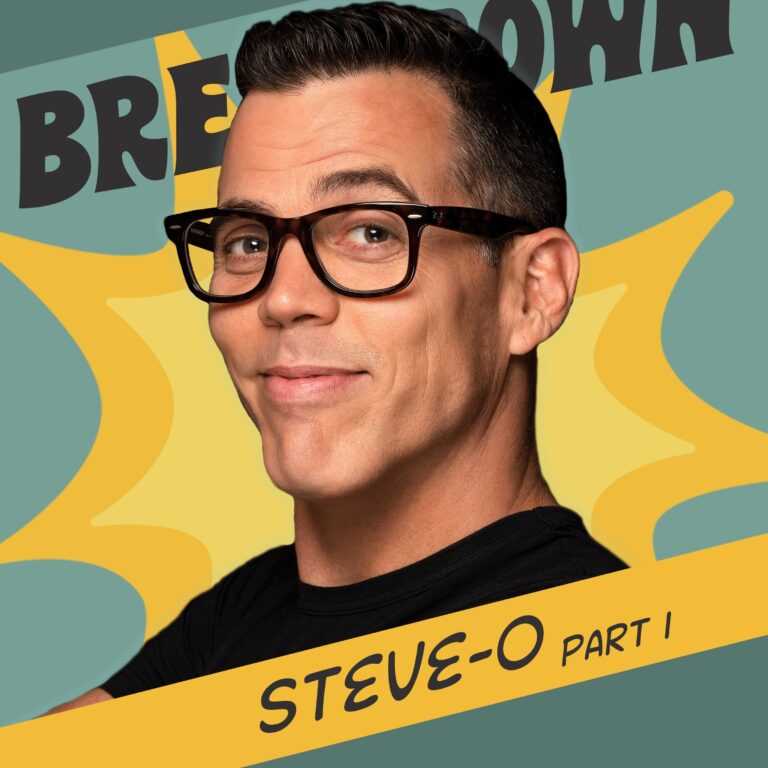
The first part of our interview with Steve-O (Jackass, A Hard Kick in the Nuts book, Steve-O’s Wild Ride podcast), who stops by to discuss his amazing journey to overcome countless odds against him, becoming one of the most well-known, talented stuntmen of all time. He details his family history of substance abuse, failing out of college, and the origins of his affinity for stunt work. He opens up about his own struggles with addiction and road toward sobriety. Steve-O shares his unbelievable experiences in clown college, including auditioning for the exclusive program and breaking down the different types of clowns.
See Steve-O on Tour: https://www.steveo.com/pages/tour-dates
Pre-Order Steve-O’s New Book: https://www.hachettebooks.com/titles/stephen-steve-o-glover/a-hard-kick-in-the-nuts/9780306826771/
Steve-O’s Podcast: https://www.steveo.com/pages/podcast
Leave a Reply
You must be logged in to post a comment.